Local
New Minnesota program tracks source of alcohol in deadly holiday crashes
A Roundtable is a way to meet new people and discuss this article in person at a local coffee shop or other venue.
Roundtables are designed for groups of four, with a shared subject and room for everyone to speak. Come for discussion, with no dating expectation.
Source: Brainerd Dispatch
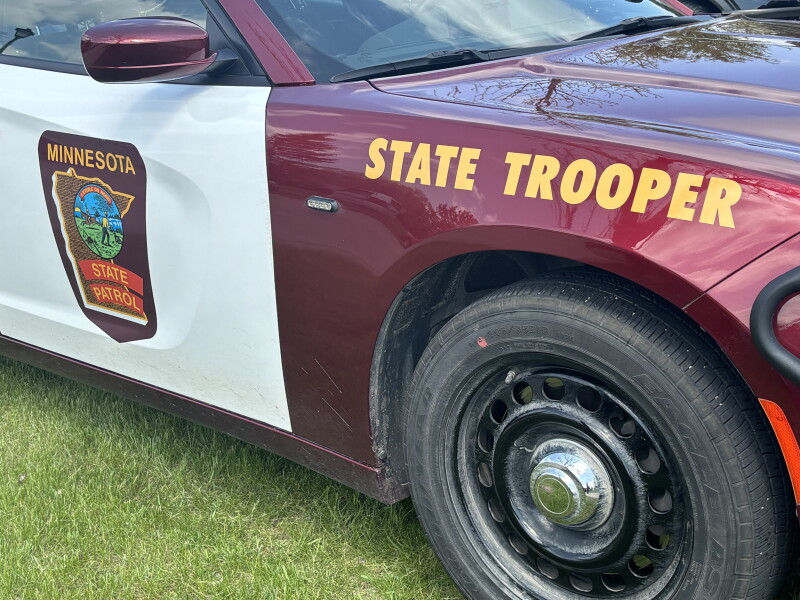
ST. PAUL — The Minnesota Department of Public Safety is launching a new program during the holiday season to go alongside the statewide impaired driving enforcement campaign that started Nov. 25 and runs weekends until New Year’s Eve. The department's Office of Traffic Safety and Alcohol and Gambling Enforcement Division are working together to launch Target Responsibility for Alcohol-Connected Emergencies, or TRACE, which aims to identify and hold accountable establishments and adults that knowingly overserve alcohol to drivers or sell alcohol to minors, leading to deadly or serious injury crashes. “As a trooper, I remember the fatal impaired driving crashes, and when it involves a minor, it is all the more heartbreaking and frustrating,” Minnesota State Patrol Chief Col. Christina Bogojevic said in a statement sent to the media. “This is why we will be joining deputies and officers across Minnesota to stop impaired drivers.
This excerpt comes from the named source. Read the original for the full reporting.
Read the original at Brainerd Dispatch


