Local
New report shows racism, sexism and homophobia is still endemic in the Met Police
A Roundtable is a way to meet new people and discuss this article in person at a local coffee shop or other venue.
Roundtables are designed for groups of four, with a shared subject and room for everyone to speak. Come for discussion, with no dating expectation.
Source: Socialist Worker
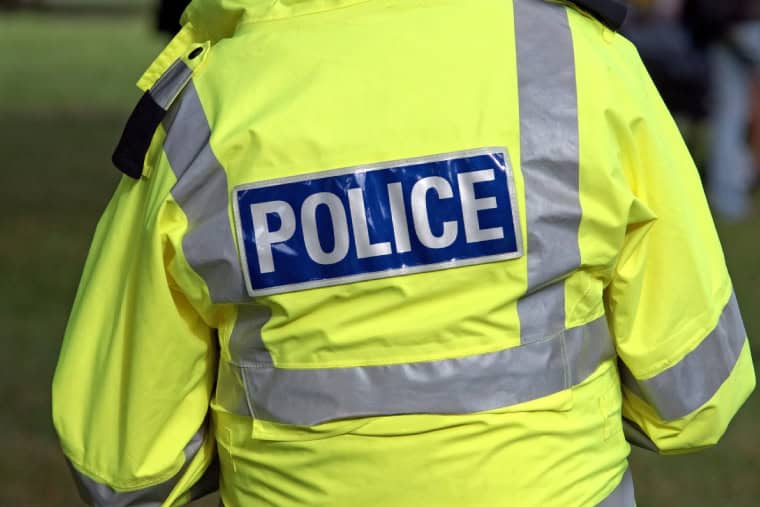
The new report warned further scandals were “highly likely” unless the Met’s culture is addressed. (Photo credit: rawpixel.com) The Met police force is still institutionally racist, misogynistic and homophobic, according to a new report published on Wednesday. The Fairfield Review comes just three years after the scathing report issued by Baroness Louise Casey in 2023, which also found systemic racism, sexism and homophobia. Report author Dr Gillian Fairfield assessed how well the recommendations of the Casey Report had been implemented. And the answer was—badly. The Met has failed to make good progress in any area flagged as needing improvement by Casey. The review states “The Casey Review found the Met was institutionally racist, misogynistic and homophobic.
This excerpt comes from the named source. Read the original for the full reporting.
Read the original at Socialist Worker


