Local
New Study: Hunger Soaring Nationwide In Wake Of Food Aid Cuts And High Cost Of Living
A Roundtable is a way to meet new people and discuss this article in person at a local coffee shop or other venue.
Roundtables are designed for groups of four, with a shared subject and room for everyone to speak. Come for discussion, with no dating expectation.
Source: Black Star News
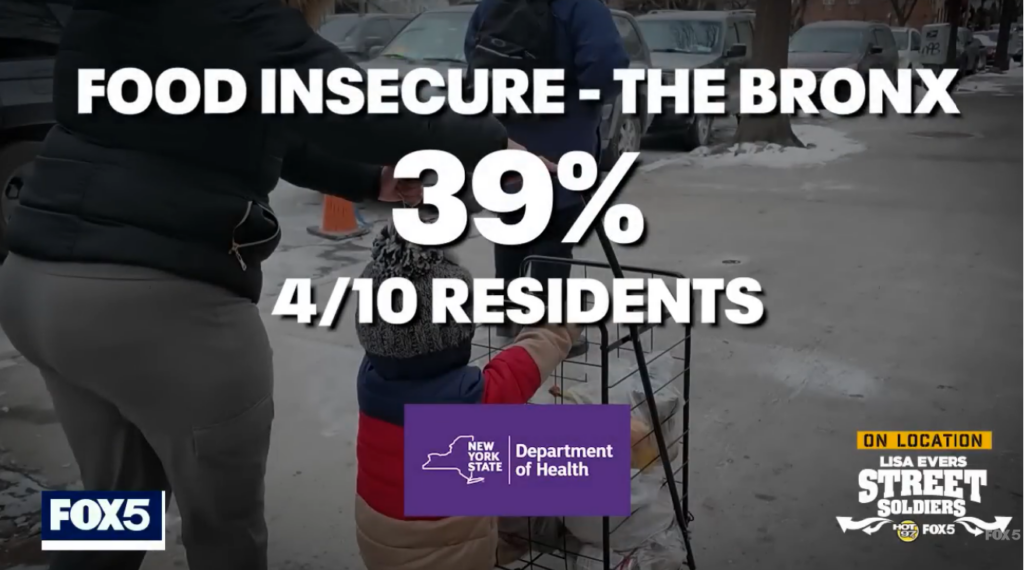
A new survey of 2,400 U.S. adults nationwide conducted by the nonprofit organization Hunger Free America (HFA) estimates that 36% of U.S. residents — equaling 123 million Americans — suffer from food insecurity in 2026, meaning that these Americans are not always able to afford enough food. By contrast, in 2024 (the last year before the Trump administration stopped measuring hunger), the U.S. Department of Agriculture (USDA) published data reporting that 14% of U.S. residents — equaling roughly 48 million Americans — lived in food-insecure households in 2024. Previously, in 2021, the USDA found that 10% of U.S. residents — equaling roughly 34 million Americans — lived in food-insecure households. The new 2026 Hunger Free America survey asked the six most determinative questions measuring food insecurity that were included in the previous USDA surveys. Using this approach, HFA’s estimate for overall U.S.
This excerpt comes from the named source. Read the original for the full reporting.
Read the original at Black Star News