Local
North Dakota, Minnesota health experts call US measles trend 'devastating' and 'concerning'
A Roundtable is a way to meet new people and discuss this article in person at a local coffee shop or other venue.
Roundtables are designed for groups of four, with a shared subject and room for everyone to speak. Come for discussion, with no dating expectation.
Source: Post-Bulletin
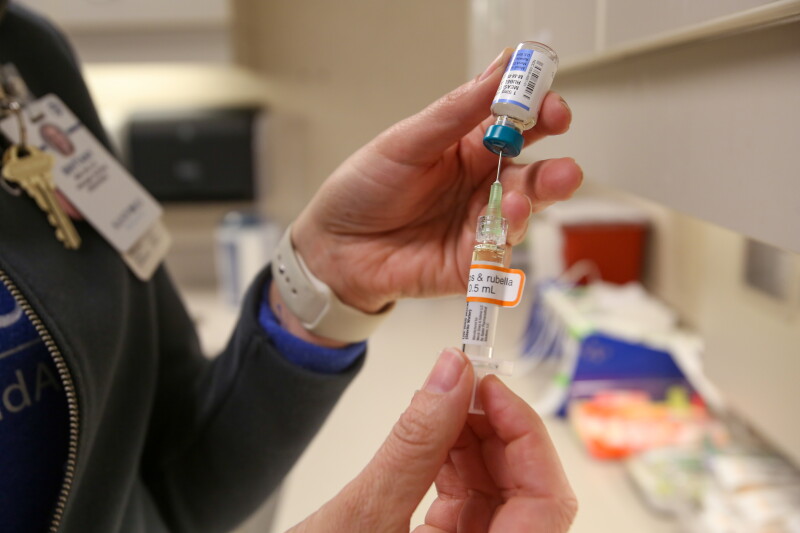
ST. PAUL — Public health experts in North Dakota and Minnesota say declining vaccination rates for measles means more people will get sick, be hospitalized, suffer long-term complications and even die from the highly contagious virus. With the U.S. battling the highest number of measles infections in more than three decades, the country this week lost its measles elimination status, a distinction held for 26 years, Reuters reported. Dr. Ruth Lynfield, state epidemiologist with the Minnesota Department of Health, said losing that status means there has been ongoing circulation of measles in the U.S. for 12 months or more. “It is very devastating, not only because it took a great deal of effort, but because measles is a bad disease,” she told The Forum. Molly Howell, director of disease control and forensic pathology at North Dakota Health and Human Services, called the development concerning.
This excerpt comes from the named source. Read the original for the full reporting.
Read the original at Post-Bulletin