Local
Northeast Michigan residents reflect on Fitzgerald, Bradley maritime tragedies
A Roundtable is a way to meet new people and discuss this article in person at a local coffee shop or other venue.
Roundtables are designed for groups of four, with a shared subject and room for everyone to speak. Come for discussion, with no dating expectation.
Source: The Alpena News
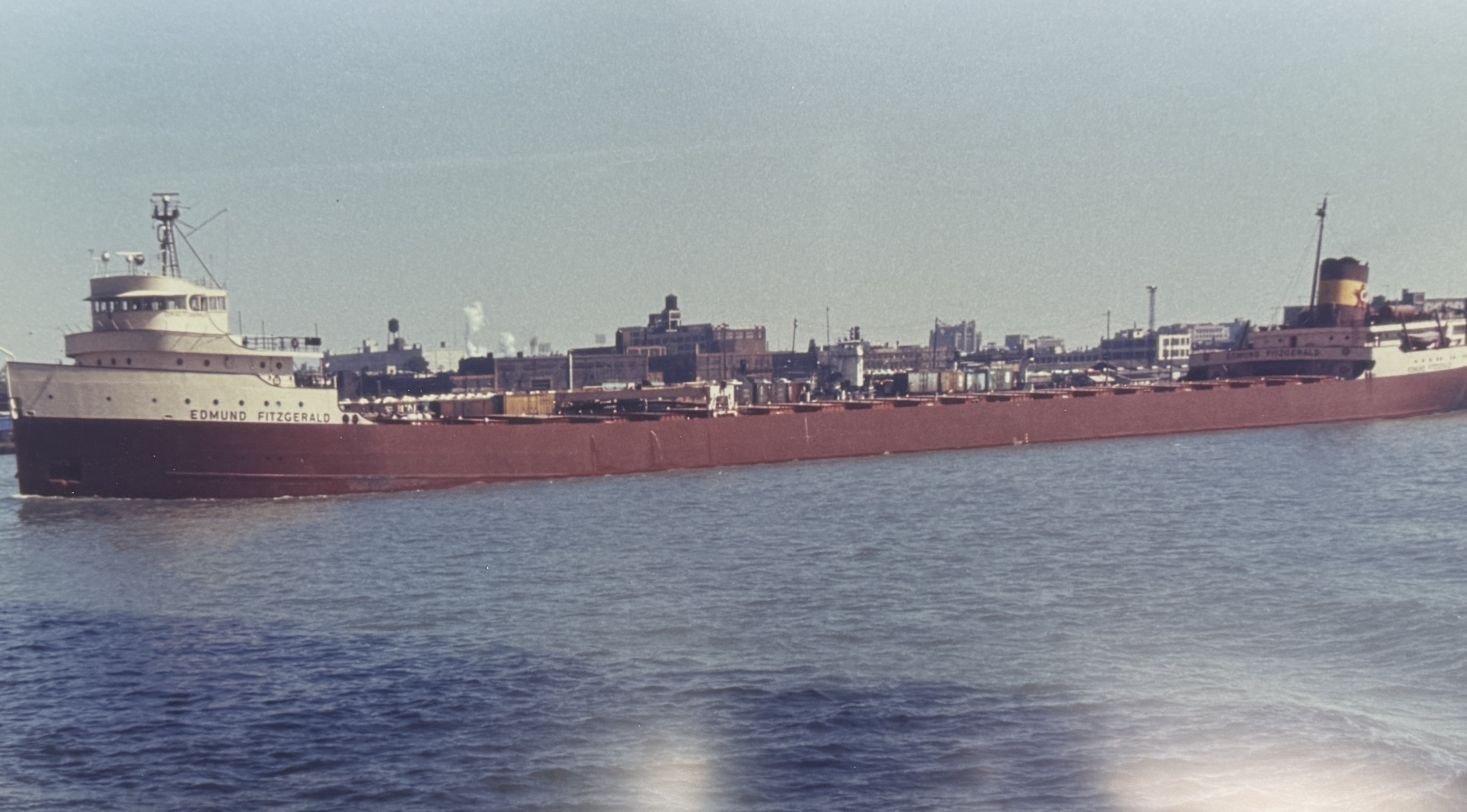
Trending ALPENA -- The Great Lakes are home to an estimated 6,000 shipwrecks, according to the National Oceanic and Atmospheric Administration (NOAA). Two well-known wrecks succumbed to their watery grave at the hands of dangerous stormy waters, known to many as the gales of November. The S.S. Edmund Fitzgerald and the S.S. Carl D. Bradley were two wrecks that were swallowed up by these angry gales, also known as the Witch of November, nearly 20 years apart. The Fitzgerald sank on Nov. 10, 1975, taking all 29 crew members with her to the bottom of Lake Superior, near Whitefish Point in the Upper Peninsula. The Bradley sank on Nov. 18, 1958, and 33 of her 35-men crew also perished on Lake Michigan -- many of her crew members hailed from Rogers City. David Burnham, a resident of Harrisville, said he witnessed the Fitzgerald be launched in River Rouge, Michigan when he was 11 years old in 1957.
This excerpt comes from the named source. Read the original for the full reporting.
Read the original at The Alpena News


