Local
Northport Community Learning Center’s 5th annual Art Gallery Night will celebrate young artists and their creativity
A Roundtable is a way to meet new people and discuss this article in person at a local coffee shop or other venue.
Roundtables are designed for groups of four, with a shared subject and room for everyone to speak. Come for discussion, with no dating expectation.
Source: Madison365
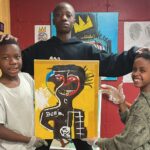
Madison’s North Side will rally around local youth for its fifth annual Art Gallery Night, featuring artwork created by students throughout the year. The event gives young artists an opportunity to sell their work while bringing the community together through culturally relevant art, live music and food. Participants primarily come from Northport Apartments, 1740 Northport Drive, and represent a variety of backgrounds, including many elementary-age students of Afghan heritage. Gallery Night began after organizers Pat Wongkit and Martel Chapman noticed that artwork created by children often wasn’t displayed or kept in their homes. Much of it was eventually thrown away, Wongkit says, prompting the organizers to create an event where young artists could showcase their work, receive recognition and earn money from their creativity. “Once we found out that it wasn’t welcome in their homes, we decided to keep the artwork at the center and hang it up.
This excerpt comes from the named source. Read the original for the full reporting.
Read the original at Madison365


