Local
November, the perfect time: 5 plants you can propagate from cuttings and fill your garden with greenery
A Roundtable is a way to meet new people and discuss this article in person at a local coffee shop or other venue.
Roundtables are designed for groups of four, with a shared subject and room for everyone to speak. Come for discussion, with no dating expectation.
Source: Meteored United States
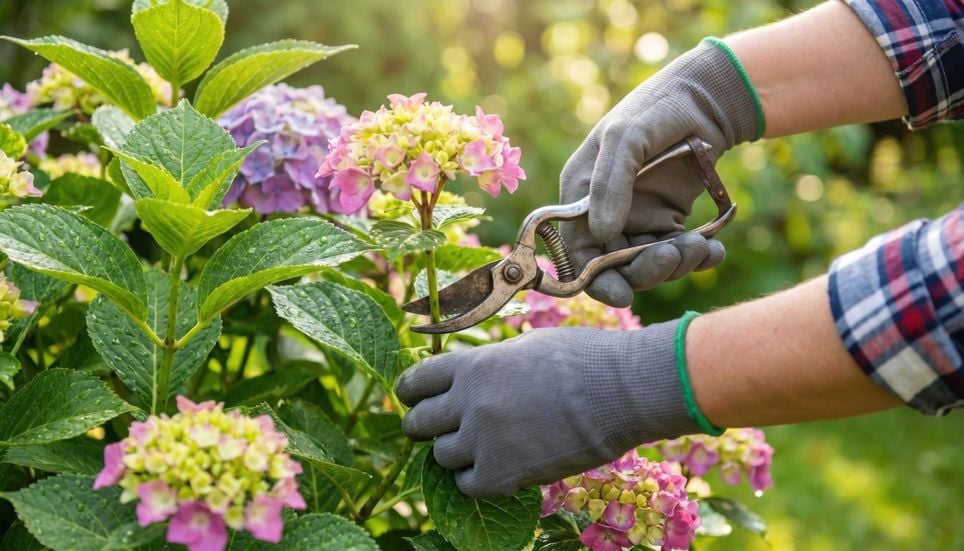
Spring brings the best conditions for growing new plants from young stems. With clean scissors, some pots, and a little patience, you can propagate ornamental and aromatic plants without spending a penny. In November, spring truly arrives: plants grow, new shoots appear, and many species develop tender stems that can become new plants. It's a great time to propagate some of our favorites from cuttings. The technique is simple. It consists of cutting a part of the mother plant and placing it in suitable conditions so that it develops its own roots. Unlike sowing from seed, this method ensures that the new plant has exactly the same characteristics as the original. This time of year is especially favorable for softwood cuttings, taken from flexible, relatively unhardened shoots. Here are five species you can propagate this month in Argentina: 1.
This excerpt comes from the named source. Read the original for the full reporting.
Read the original at Meteored United States


