Local
Null — How to Read a Film: Shots, Cuts, and Camera Moves
Meet in Common connects news with real conversations. Use ThinkMatch to arrange a Roundtable and meet people to discuss this story.
Source: Fun News Daily
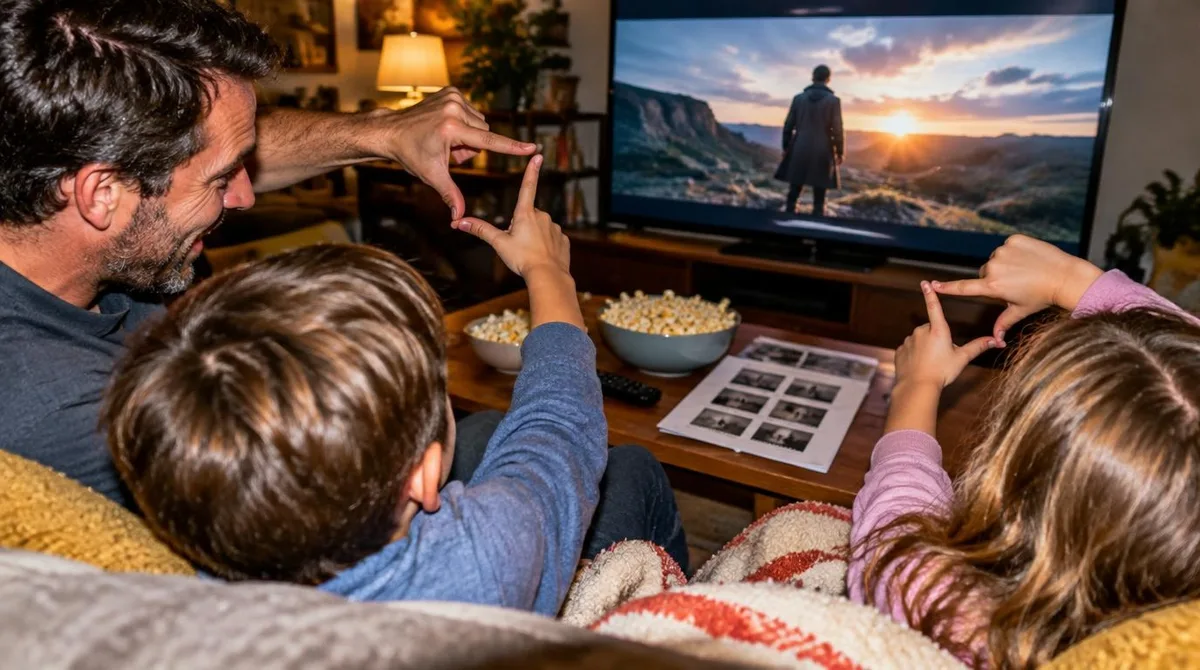
Anyone can read a film like a critic by watching three things on purpose: the shots, the cuts, and the camera moves. Shots are the building blocks, cuts join them, and camera moves steer attention. Reference guides from Wikipedia's film entries lay out the whole toolkit in plain terms. This guide breaks the skill into three habits anyone can learn: naming the shot, watching the cut, and tracking the camera. Everything here comes from reference entries on shots, film editing, and cinematography, so family film night can double as a film class with zero homework. This connects to our earlier piece, Book to Film Adaptations: A Read-First Family Guide. What Counts as a Shot A shot is a series of frames that runs for an uninterrupted period of time, per Wikipedia's shot overview. On a set it lasts from the moment the camera starts rolling until it stops. In the edit, a shot is simply the footage between two cuts. Field size names how much of the subject fills the frame.
This excerpt comes from the named source. Read the original for the full reporting.
Read the original at Fun News Daily