Local
Obituary: Wayne ‘Skip’ Frederick Hillegas
A Roundtable is a way to meet new people and discuss this article in person at a local coffee shop or other venue.
Roundtables are designed for groups of four, with a shared subject and room for everyone to speak. Come for discussion, with no dating expectation.
Source: The Chaffee County Times
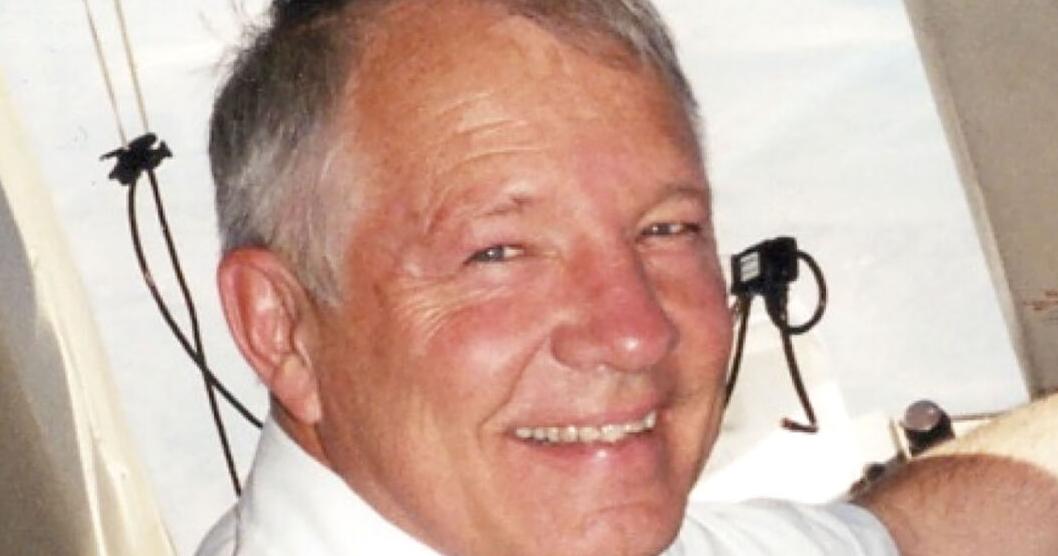
Wayne "Skip" Frederick Hillegas Wayne “Skip” Frederick Hillegas, a beloved husband, father, and friend, passed away peacefully at his home, surrounded by his family on Oct. 29, 2026, at the age of 86. Born on Oct. 11, 1940, in Appleton, Wisconsin, Skip lived a life characterized by unwavering devotion to his family and a commitment to excellence in his profession.At 13, Skip earned his HAM radio license, quite a feat for such a youngster! He enjoyed HAM radio his entire life, evidenced by the numerous amplifiers, tuners, receivers, and antennas rising from the land…and vehicles…Skip was way ahead of the mobile communication curve. Over the years, he gathered countless friends and contacts around the globe.Skip served honorably in the U.S. Navy piloting a P3 anti-submarine surveillance airplane. Following his military service, he embarked on a distinguished career as an airline pilot, dedicating many years to United Airlines.
This excerpt comes from the named source. Read the original for the full reporting.
Read the original at The Chaffee County Times


