Local
Oklahoma church grows the New Testament way
Meet in Common connects news with real conversations. Use ThinkMatch to arrange a Roundtable and meet people to discuss this story.
Source: Baptist Messenger
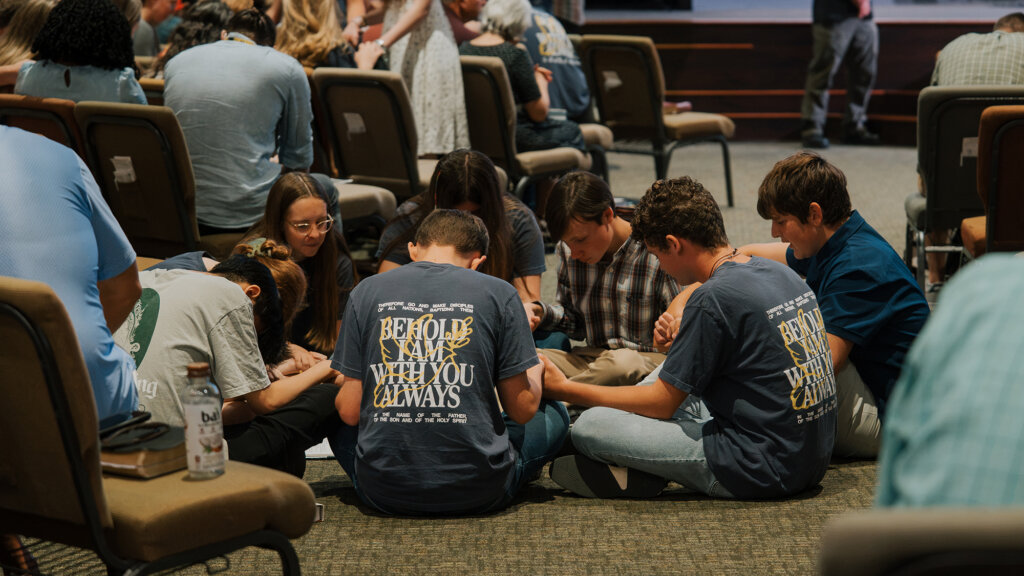
Posted by Karen Willoughby | Nov 3, 2026 | Feature, Missions & Church Editor’s note: October is Cooperative Program Emphasis Month. This article was originally written by Karen L. Willoughby and published to BaptistPress.com Photos provided. BIXBY—Michael Gabbert started Evergreen Baptist Church in a Tulsa suburb in 1999 with fewer than 30 people. Today the church typically sees nearly 2,000 Sunday worshipers and still gives 10 percent of its undesignated budget to missions through the Cooperative Program. Gabbert, with 11 years of pastoral ministry behind him when he started Evergreen, earned a Ph.D. in church history from Southwestern Baptist Theological Seminary in 1991. He says the key to longevity in ministry is growing a church the New Testament way. “It’s really a remarkable work of God,” Gabbert told Baptist Press. “We began to meet for prayer, and to study the biblical model for the church.
This excerpt comes from the named source. Read the original for the full reporting.
Read the original at Baptist Messenger