Local
On the Fly: Use the downtime to get organized
Meet in Common connects news with real conversations. Use ThinkMatch to arrange a Roundtable and meet people to discuss this story.
Source: Snowmass Village Sun
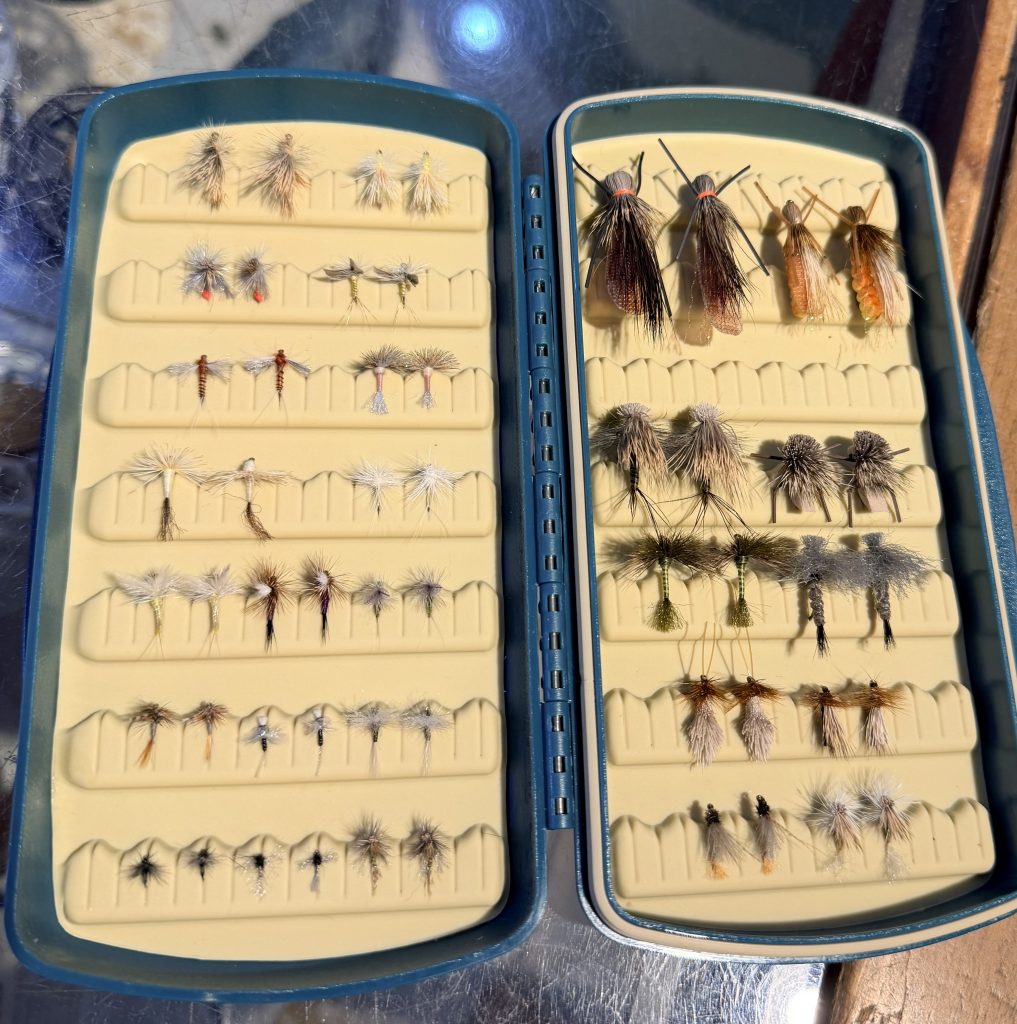
I ran into a customer at the grocery store yesterday who told me once it gets cold, he’s just not interested in fishing. I know how he feels, but there are things we can all do to fuel our fishing addictions when frigid temperatures arrive. The first thing that comes to mind is organization and preparation. Even the most fastidious fisher could organize their flies, for example. If you have the space, laying all of your boxes out and putting things back in order can be quite a task, and there’s no better time than now. Some people organize their flies by river, others by “family.” For those who like to organize by family, think about boxes dedicated to midges, streamers, green drakes, pale morning duns, blue winged olives, caddis, stoneflies, craneflies, sallies, terrestrials and lake flies. For those who like to organize by river, your Fryingpan box should consist of your mysis patterns, slim and beadless nymphs, plus midges and BWOs.
This excerpt comes from the named source. Read the original for the full reporting.
Read the original at Snowmass Village Sun