Local
Op-ed: Why Santa Clara should support The Greens at Pruneridge
A Roundtable is a way to meet new people and discuss this article in person at a local coffee shop or other venue.
Roundtables are designed for groups of four, with a shared subject and room for everyone to speak. Come for discussion, with no dating expectation.
Source: San José Spotlight
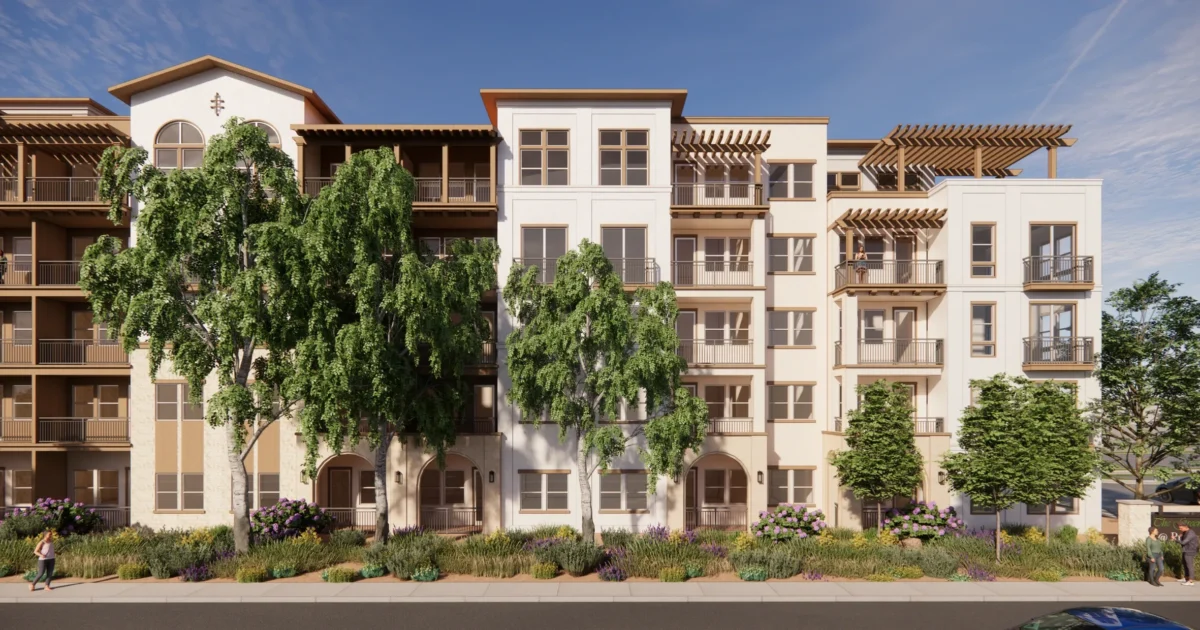
Across the Bay Area, communities face two defining challenges: an acute housing affordability crisis and the urgent need to protect open space. In Santa Clara, an innovative proposal demonstrates what happens when smart infill and environmental stewardship work in tandem. The Greens at Pruneridge proves we can deliver abundant, equitable housing while expanding public recreational amenities. Silicon Valley’s housing shortage drives displacement, lengthens commutes and strains working families. The Greens at Pruneridge directly confronts this reality by adding over 300 new, energy-efficient rental homes, including dedicated deed-restricted affordable residences. Placed along Pruneridge Avenue within an established urban footprint close to transit and employment hubs, this infill development delivers the homes our teachers, healthcare workers and young families need.
This excerpt comes from the named source. Read the original for the full reporting.
Read the original at San José Spotlight