Local
OPINION: Nearly 50 years of Air Guitar
A Roundtable is a way to meet new people and discuss this article in person at a local coffee shop or other venue.
Roundtables are designed for groups of four, with a shared subject and room for everyone to speak. Come for discussion, with no dating expectation.
Source: Purdue Exponent
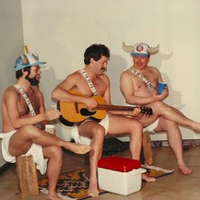
There is a rock band coming to town, and you’ve never heard of it. Forty-six years ago, Joyce Fidler and a merry and mixed group of fresh Purdue graduates began a bizarre tradition they now know as Air Guitar. When I sat down on call with Fidler, I was delighted by the simple yet refreshingly fruitful tradition that is set to return to the Purdue Pi Kappa Alpha fraternity for its final act. But even though Air Guitar is coming to an end, it leaves behind its legacy as a reminder of the gift of the human experience.Joyce Fidler was a rock artist in the ‘80s, even once appearing on MTV. Her rockstar dreams never brought fame or riches, but the story of her friends is good enough to go triple platinum. Fidler was a little sister at Pi Kappa Alpha at Purdue, charged with getting the girls in Earhart Residence Hall to show up to parties.
This excerpt comes from the named source. Read the original for the full reporting.
Read the original at Purdue Exponent