Local
OPINION: Soldiers for hire: How Colombian veterans ended up in Sudan’s war
A Roundtable is a way to meet new people and discuss this article in person at a local coffee shop or other venue.
Roundtables are designed for groups of four, with a shared subject and room for everyone to speak. Come for discussion, with no dating expectation.
Source: Jackson Advocate
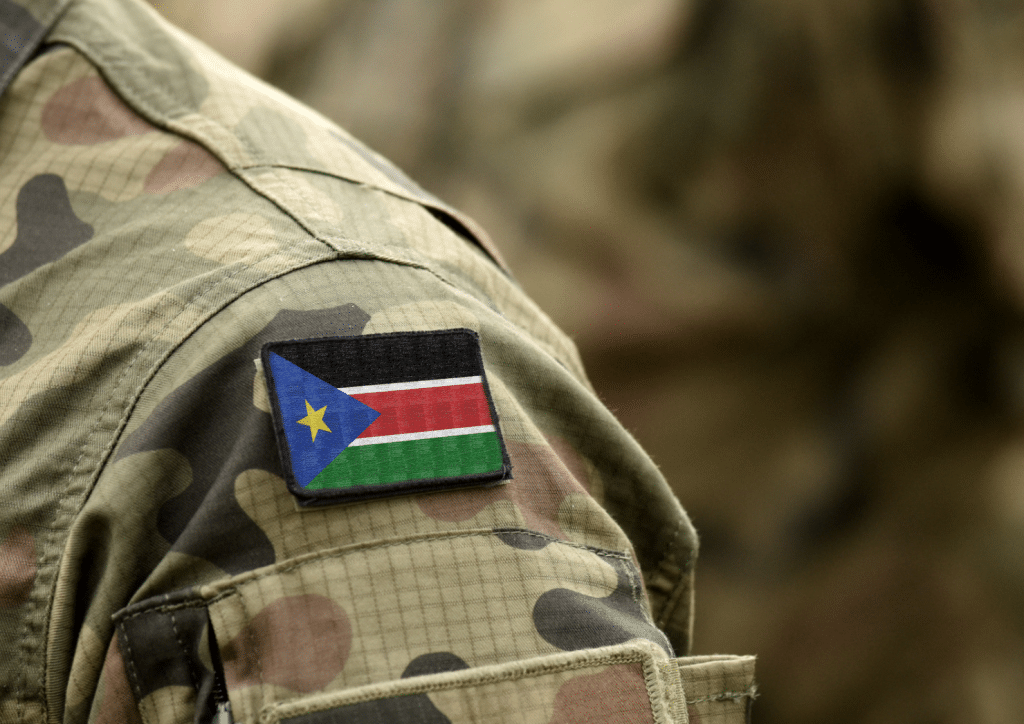
By Dr. James E. Sulton Jr. JA International Correspondent Sudan’s Civil war, now in its fourth year, is usually described as a contest between two Sudanese generals. Yet some of the men flying drones and firing artillery volleys for the paramilitary Rapid Support Forces (RSF) learned their trade fighting guerrillas in the Andes. Investigators have now pieced together how hundreds of retired Colombian soldiers came to fight in Darfur, and the trail runs consistently through the United Arab Emirates (UAE). Colombia’s six-decade internal conflict produced one of the world’s most battle-tested armies, and one that retires its soldiers young on modest pensions. Recruiters have exploited that gap. According to an investigation by Agence France Presse, Colombian veterans contacted on WhatsApp were promised $2,500 to $4,000 a month, up to six times their army pension, for jobs supposedly in Dubai.
This excerpt comes from the named source. Read the original for the full reporting.
Read the original at Jackson Advocate


