Local
OPINION: Suez at seventy: What 1956 teaches about America’s war with Iran
A Roundtable is a way to meet new people and discuss this article in person at a local coffee shop or other venue.
Roundtables are designed for groups of four, with a shared subject and room for everyone to speak. Come for discussion, with no dating expectation.
Source: Jackson Advocate
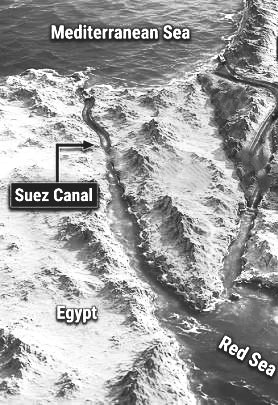
By Dr. James E. Sulton Jr. JA International Correspondent Seventy years ago this month, Britain and France learned military power without economic and diplomatic backing is a wasted asset. On November 5, 1956, Anglo-French forces landed near Port Said in Egypt to retake the Suez Canal that President Gamal Abdel Nasser had nationalized that July. Within two days the operation halted, not because Egyptian resistance prevailed, but because Washington would not allow the conquest to continue. Today, the United States is itself entangled in a conflict over a strategic waterway, the Strait of Hormuz. The comparison reveals how far American power, and the international order it once anchored, has unraveled. Suez is remembered as the moment the United States disciplined its closest allies. In July 1956, President Dwight Eisenhower had warned Prime Minister Anthony Eden of “the unwisdom even of contemplating the use of military force” before peaceful remedies were exhausted.
This excerpt comes from the named source. Read the original for the full reporting.
Read the original at Jackson Advocate