Meet In CommonNews

Local

Orangeburg community forum tackles data center questions

A Roundtable is a way to meet new people and discuss this article in person at a local coffee shop or other venue.

Roundtables are designed for groups of four, with a shared subject and room for everyone to speak. Come for discussion, with no dating expectation.

Source: South Carolina Public Radio
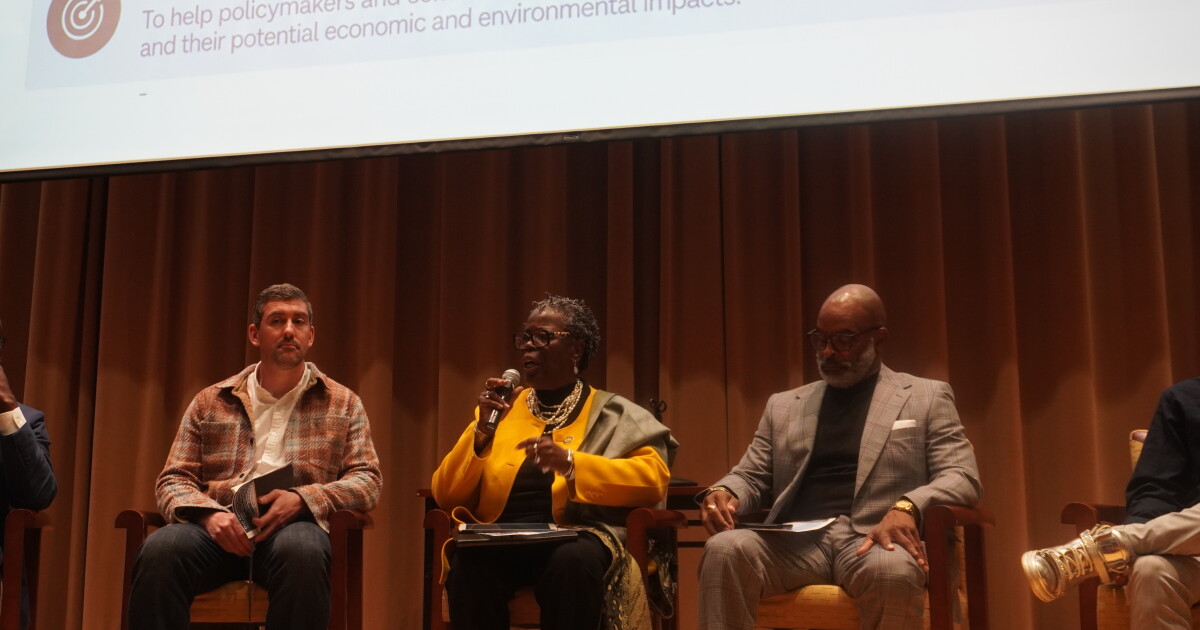
Facebook Twitter LinkedIn Email On Thursday, S.C. House Rep.Gilda Cobb-Hunter, D-Orangeburg, hosted a community education forum on artificial intelligence and data center development at the Orangeburg-Calhoun Technical College. Orangeburg residents were invited to submit questions ahead of time about their concerns, uncertainties and confusion surrounding data centers, an industry playing a growing role in South Carolina. Just this month, Spartanburg's county council approved three data center development agreements of varying size, with council passing another three on first reading. Orangeburg County Council passed a one-year data center moratorium in September. Cobb-Hunter and the panelists say they are still researching the industry extensively and encourage the public to educate themselves as local officials consider its future in the county. Many residents asked questions regarding how data centers use water, and what the impact would be to taxpayers.

This excerpt comes from the named source. Read the original for the full reporting.

Read the original at South Carolina Public Radio

Featured places to meet in Orangeburg, SC

Explore these places and arrange a conversation through ThinkMatch.

City guide for Orangeburg, SC

Related coverage

WVIA Public Media · Local

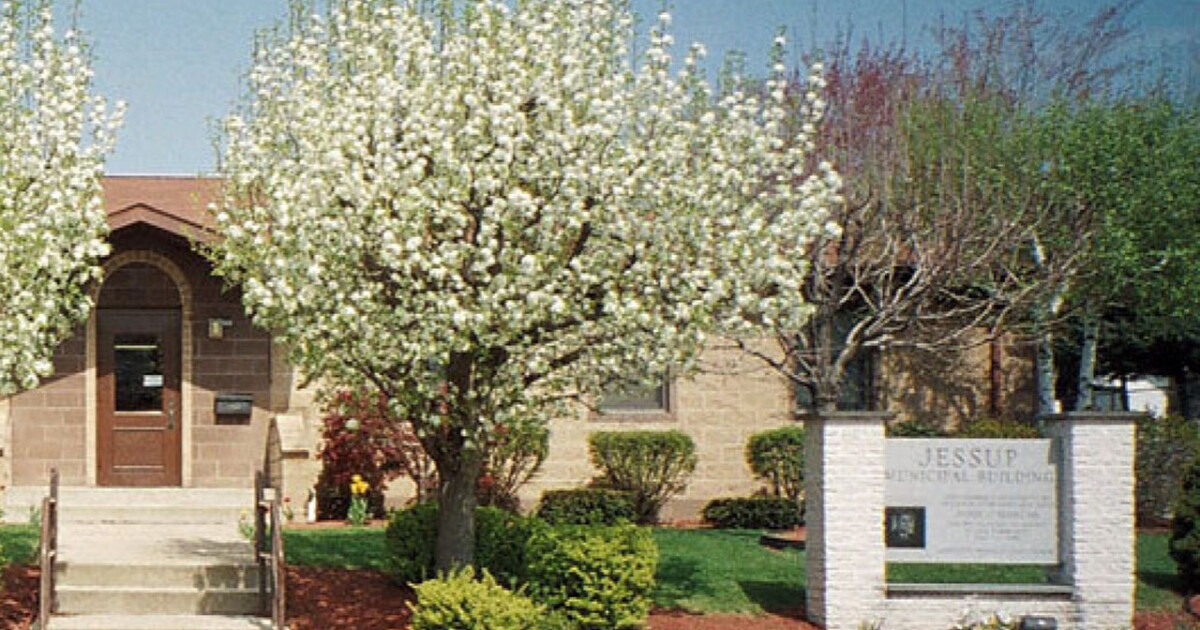
Lackawanna County judge denies appeal in Jessup data center case

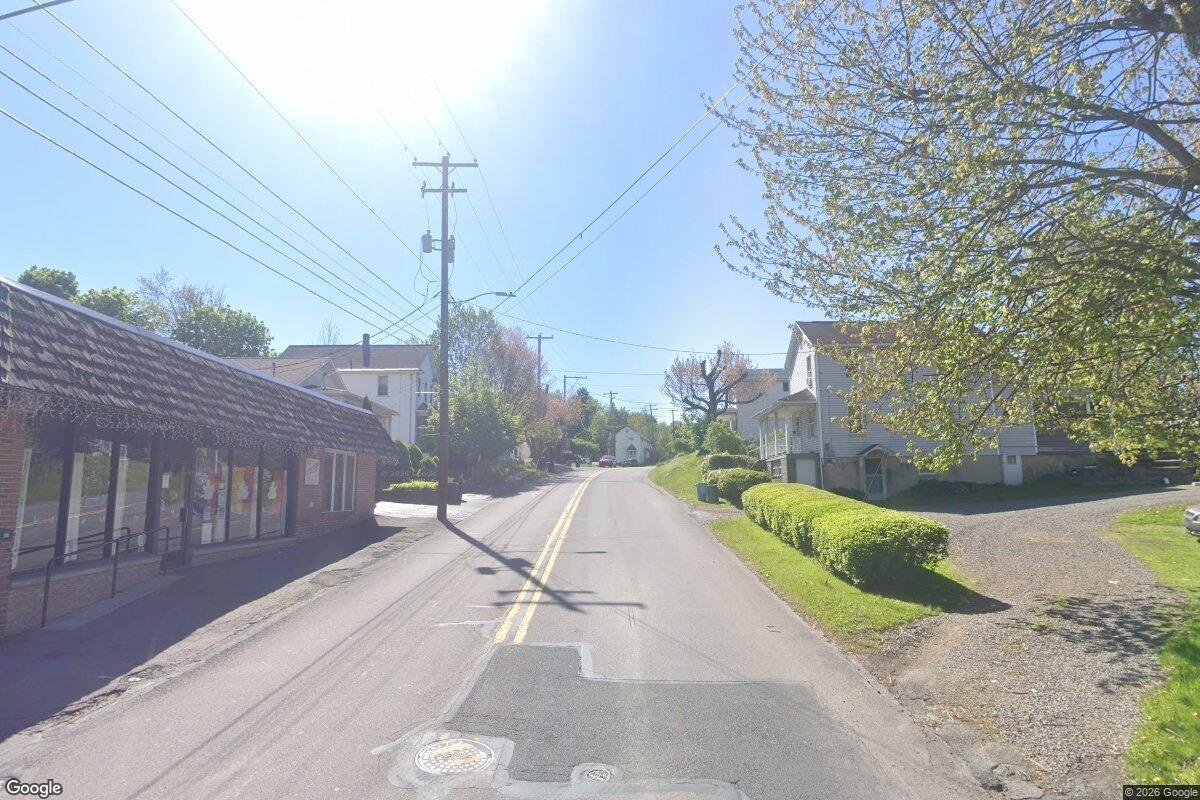
Facebook Twitter LinkedIn Email Last year, Jessup's planning commission denied a data center developer’s land development plans. Breaker Street Associates LLC, from Conshohocken, then sought to bypass the decision through a legal appeal to construct its six-building data center campus on over 200 acres on Breaker and Hill streets. The company claimed that Jessup violated the Pennsylvania Municipal Planning Code because they did not issue a proper written decision to deny the plans within the code’s required 90-day time frame. On Oct. 22, Lackawanna County Judge Terrence R. Nealon ruled in favor of the borough and denied Breaker Street’s arguments that its project was “deemed approved,” according to court records. Nealon’s decision says that Jessup did not violate the planning code since Breaker Street voluntarily resubmitted its land development plans twice. “We’re obviously pleased with the outcome,” Jessup Council President Gregg Betti said.

Hoodline · Jessup, PA

Jessup Data Center Appeal Denied by Lackawanna Judge

A Lackawanna County judge has rejected a developer's bid to force approval of a sprawling data center campus in Jessup, ruling that the borough acted within its rights when it twice denied the project. Judge Terrence R. Nealon sided with Jessup Borough on Oct. 22, shooting down Breaker Street Associates LLC's argument that its plans for a six-building data center campus had been automatically greenlit under state law. According to WVIA Public Media, Nealon rejected the Conshohocken-based company's claim that its project was “deemed approved” under the Pennsylvania Municipal Planning Code after Jessup allegedly failed to issue a timely written denial. The judge found instead that the borough did not violate the planning code, because Breaker Street voluntarily resubmitted its land development plans twice, each time triggering a fresh 90-day review clock.

Community Poll

The public should normally know who owns businesses that affect community life.

Share your view, then see how readers voted. No sign-in required. This poll is shared across stories.

Do you agree or disagree?

Choose one answer

Common Quandary

A Common Quandary to discuss

Another conversation to explore, separate from this news story.

You find a rare library book your father kept for forty years. Do you return it anonymously?

While clearing your father's attic, you find a rare book stamped by the local library and due in 1986. The library would be thrilled to recover it, but returning it openly would expose a secret he apparently kept for decades—and might produce a spectacular overdue fine.

Does making an old wrong right require admitting who did it?

Explore this quandary