Local
Our View: There are reasons for thanks — even 163 years later
A Roundtable is a way to meet new people and discuss this article in person at a local coffee shop or other venue.
Roundtables are designed for groups of four, with a shared subject and room for everyone to speak. Come for discussion, with no dating expectation.
Source: Duluth News Tribune
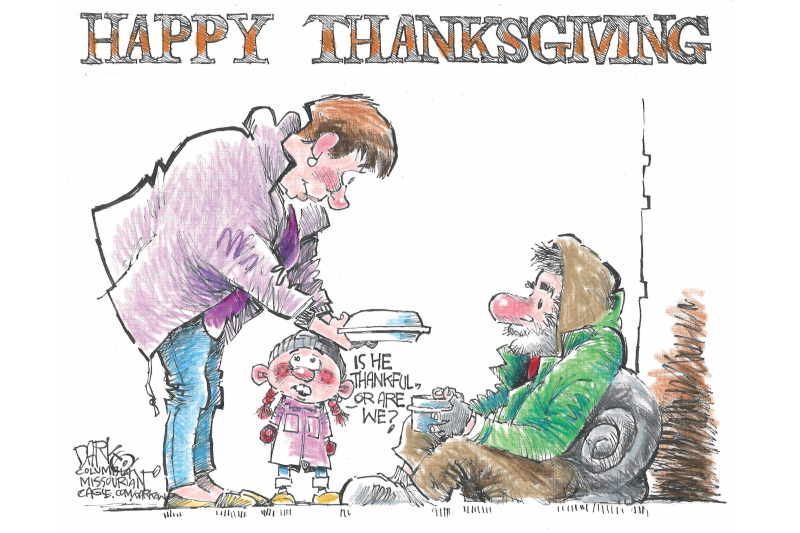
At the height of the Civil War, President Abraham Lincoln, at the urging of a magazine editor, proclaimed a national Thanksgiving Day holiday. It was first celebrated on the final Thursday in November in 1863. More than 160 years later, with Thanksgiving as entrenched as lutefisk in the fall and fireworks on the Fourth, we once again share Lincoln's proclamation: “The year that is drawing towards its close, has been filled with the blessings of fruitful fields and healthful skies. To these bounties, which are so constantly enjoyed that we are prone to forget the source from which they come, others have been added, which are of so extraordinary a nature, that they cannot fail to penetrate and soften even the heart which is habitually insensible to the ever watchful providence of Almighty God.
This excerpt comes from the named source. Read the original for the full reporting.
Read the original at Duluth News Tribune