Local
OUTDOOR CONNECTIONS: Chasing late-season mallards requires persistence
A Roundtable is a way to meet new people and discuss this article in person at a local coffee shop or other venue.
Roundtables are designed for groups of four, with a shared subject and room for everyone to speak. Come for discussion, with no dating expectation.
Source: Minot Daily News
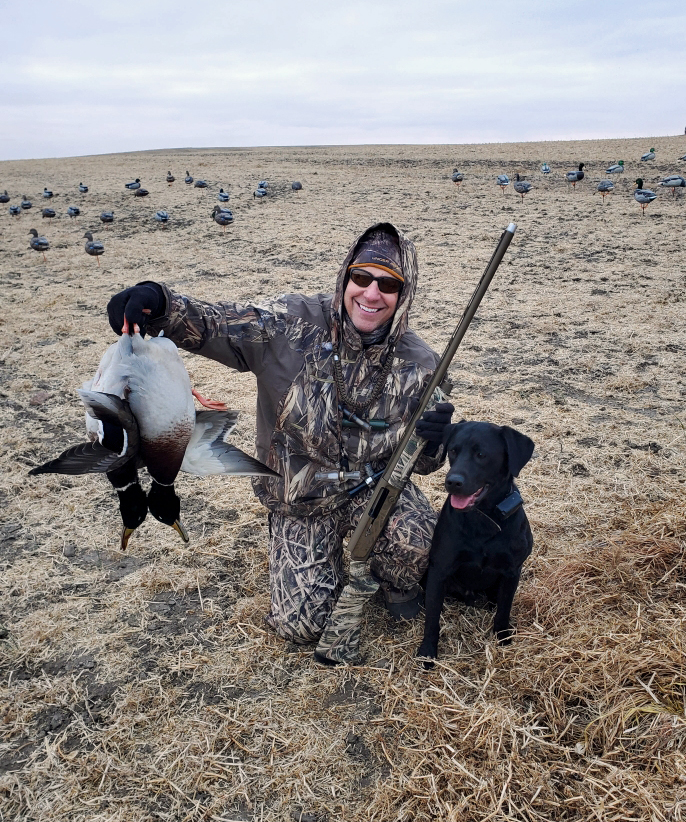
The wind wails across the open prairie. Wetlands are frozen, snow covers the fields, and the potholes have gone quiet. A hunter can drive for hours without seeing a duck. For most hunters, that’s reason enough to call it a season. For Jim Carroll of Minot, the roughest days of duck season also bring some of the most rewarding hunting of the year. “Late-season duck hunting is some of the best – and most challenging – there is,” Carroll said. Success takes patience, persistence, and a sense that the prairie might deliver one more surprise. As autumn gives way to winter, the wetlands freeze, and mallards leave the shallow potholes, concentrating wherever open water remains. Hunters must adjust, too. The search leads to deeper lakes and major waterways, including the Missouri River, Lake Audubon, and Lake Sakakawea. Scouting comes first; for Carroll, successful late-season duck hunting begins long before the shotgun is loaded.
This excerpt comes from the named source. Read the original for the full reporting.
Read the original at Minot Daily News


