Local
Outdoors column: a fascinating year for firearms and shooting enthusiasts
Meet in Common connects news with real conversations. Use ThinkMatch to arrange a Roundtable and meet people to discuss this story.
Roundtables are designed for groups of four, with a shared subject and room for everyone to speak. Come for discussion, with no dating expectation.
Source: Mankato Free Press
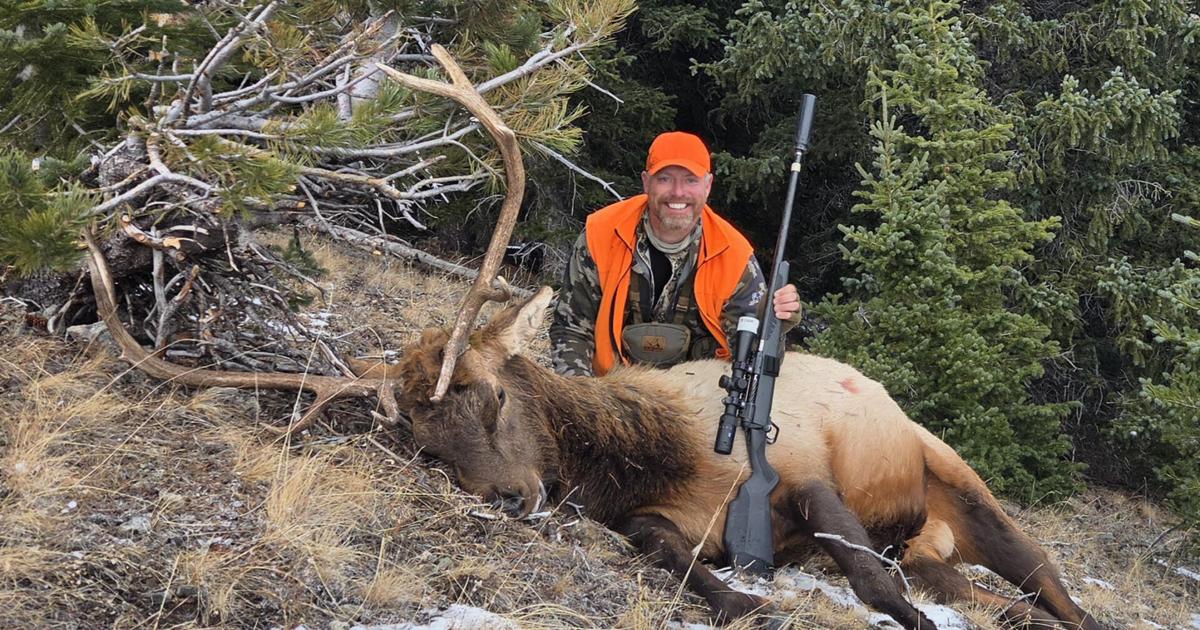
Scott Mackenthun2026 has been a fascinating year for firearms and shooting enthusiasts with recent court rulings changing how the Bureau of Alcohol, Tobacco and Firearms (ATF) regulates and enforces firearms law.The One Big Beautiful Bill Act that was signed on July 4, 2025 included tax cuts that ultimately had big repercussions in the courtroom. Following the 1934 National Firearms Act (NFA), certain classes of firearms were required to be registered and taxed. After much debate at the time over what classes of firearms would be included, NFA’s regulatory control ultimately included short-barreled rifles, short-barreled shotguns, silencers (also called suppressors) and an “any other weapon” category for concealable, specialized firearms that don’t fit neatly into other categories like handguns, shotguns or rifles. These items required tax stamps with a $200 fee (in 1934, $200 was equivalent to nearly $5,000 in 2026), as well as registration to that person only, and fingerprinting.
This excerpt comes from the named source. Read the original for the full reporting.
Read the original at Mankato Free Press


