Local
Packers don’t have any answers for miserable second half in costly 26-13 loss to Rams
A Roundtable is a way to meet new people and discuss this article in person at a local coffee shop or other venue.
Roundtables are designed for groups of four, with a shared subject and room for everyone to speak. Come for discussion, with no dating expectation.
Source: The Daily Mining Gazette
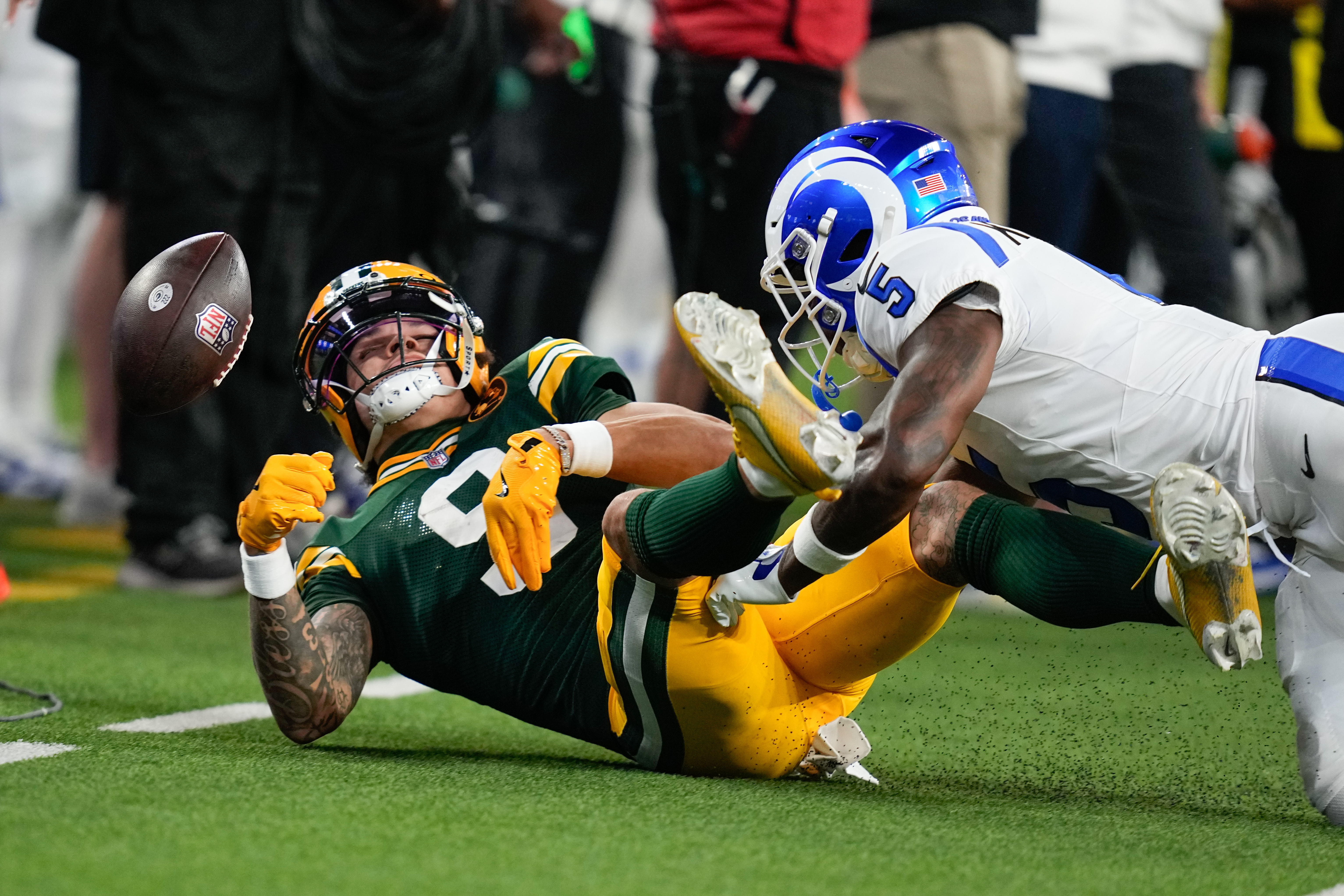
INGLEWOOD, Calif. — The Green Bay Packers’ boom or bust offense did the latter in the second half of a 26-13 loss to the Los Angeles Rams on Wednesday night. Jordan Love had some early success finding receivers Christian Watson and Matthew Golden for explosive pass plays, but those big gains largely dried up after Watson was knocked out of the game when he sustained a concussion on a hard hit from safety Kam Kinchens late in the first half. “I think you need your best players out there, and when they’re not out there, it certainly hurts your chances,” Packers coach Matt LaFleur said. “And he’s a guy that is tough to replace.” Watson had four receptions for 65 yards and a touchdown before he was hurt trying to bring in a sideline catch on a fourth down with 1:54 remaining in the second quarter. Kinchens was ejected for unnecessary roughness following a video review.
This excerpt comes from the named source. Read the original for the full reporting.
Read the original at The Daily Mining Gazette


