Local
Panthers' playoff run ends in 51-13 loss to University Lab
A Roundtable is a way to meet new people and discuss this article in person at a local coffee shop or other venue.
Roundtables are designed for groups of four, with a shared subject and room for everyone to speak. Come for discussion, with no dating expectation.
Source: Avoyelles Journal
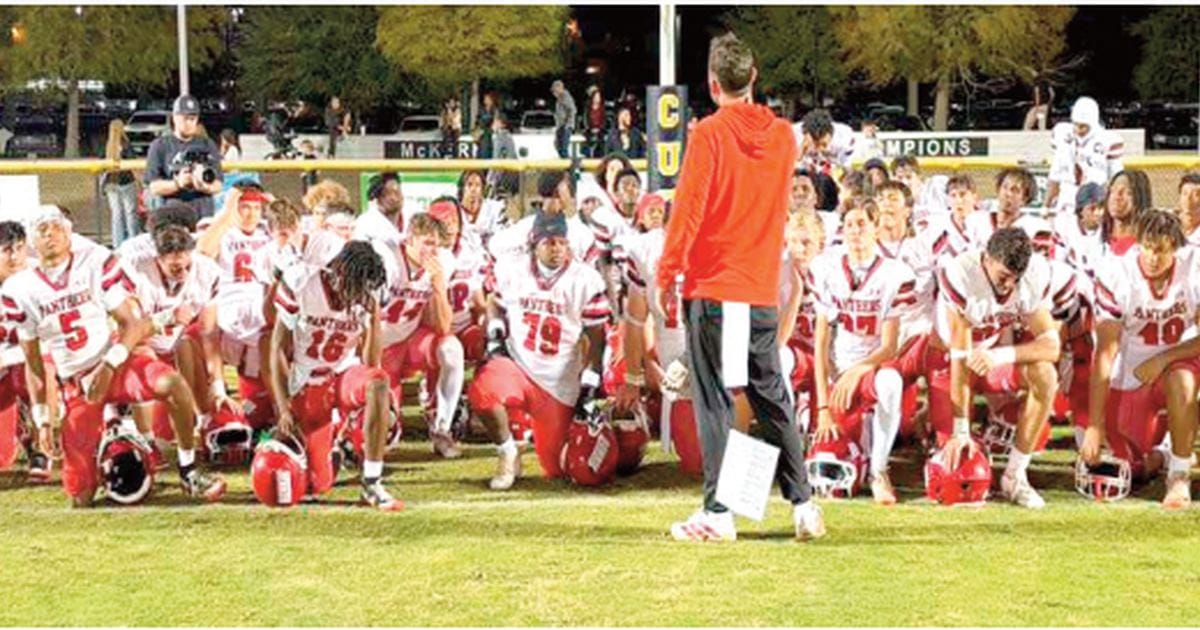
The Bunkie High School Panthers saw their playoff run come to an end Friday, Nov. 20, falling 51-13 to sixth-seeded University Lab in the regional round of the LHSAA Division III Select playoffs in Baton Rouge. Entering the matchup as the No. 11 seed following a 38-10 first-round victory over St. Louis Catholic, Bunkie faced a tough challenge against the Cubs' powerful rushing attack. University Lab took control early, building a commanding 38-0 halftime lead before extending its advantage to 45-0 in the third quarter. The Panthers refused to go down without a fight, scoring touchdowns in both the third and fourth quarters to cut the deficit to 45-13. However, University Lab added a late rushing touchdown to secure the 51-13 victory. The Cubs' ground attack was led by Caiden Bellard and Corbin Odell, who scored three rushing touchdowns apiece, while Ethan Spooner added another rushing score.
This excerpt comes from the named source. Read the original for the full reporting.
Read the original at Avoyelles Journal


