Local
Papier-mâché with Polly
A Roundtable is a way to meet new people and discuss this article in person at a local coffee shop or other venue.
Roundtables are designed for groups of four, with a shared subject and room for everyone to speak. Come for discussion, with no dating expectation.
Source: Lakeville Journal
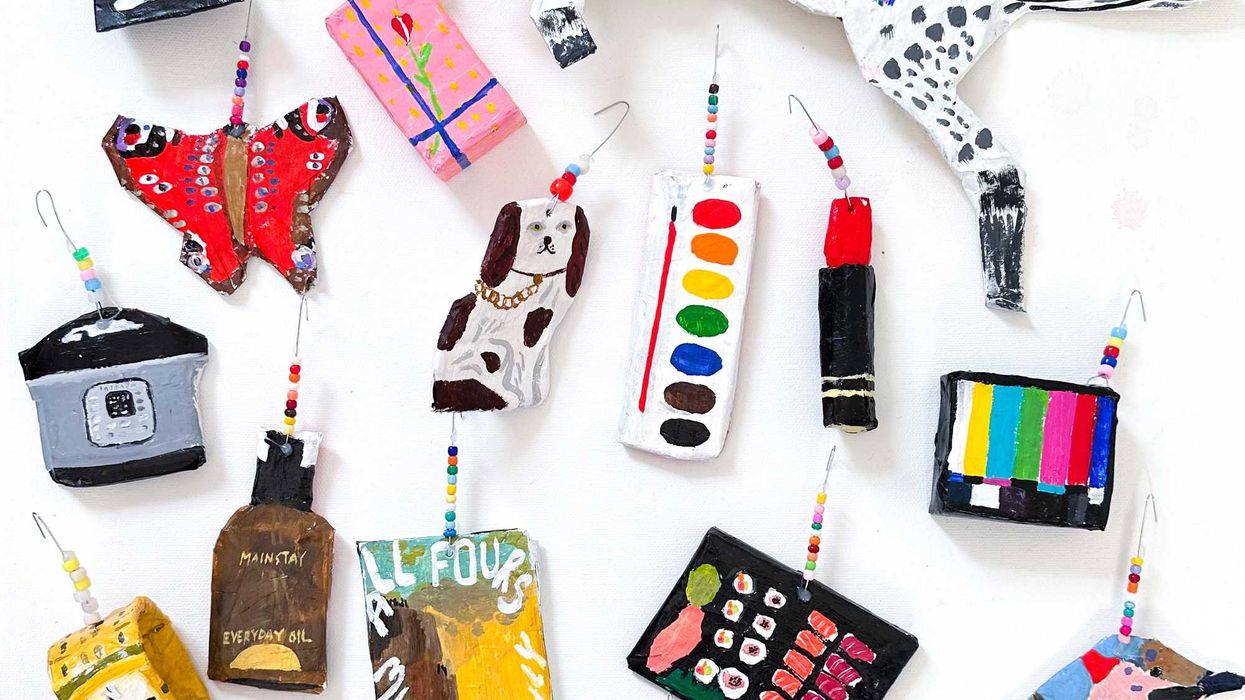
Millerton-based artist Polly Shindler has discovered the joy of turning ordinary household materials into extraordinary little objects. On Sunday, Nov. 29, she’ll bring that spirit of playful invention to Troutbeck in Amenia — along with newspaper, glue and a healthy disregard for perfection — for a festive papier-mâché ornament workshop that promises even the most artistically hesitant participants will leave with a handmade treasure to hang on their tree. With an MFA in painting from Pratt Institute, Shindler has exhibited widely, including solo shows in New York City and at Standard Space in Sharon. Her work has also been featured in The New Yorker, and she was awarded the Martha Boschen Porter Grant in 2023. She is primarily a painter, but her creative practice has always been one of exploration and reinvention. During the pandemic, she began teaching herself new skills through YouTube tutorials, experimenting with quilting, sewing and, eventually, papier-mâché.
This excerpt comes from the named source. Read the original for the full reporting.
Read the original at Lakeville Journal
