Local
Paralysis Could Not Stop Her: How This 84-year-old Made Good on Her Musical Promise
Meet in Common connects news with real conversations. Use ThinkMatch to arrange a Roundtable and meet people to discuss this story.
Roundtables are designed for groups of four, with a shared subject and room for everyone to speak. Come for discussion, with no dating expectation.
Source: Good News Network
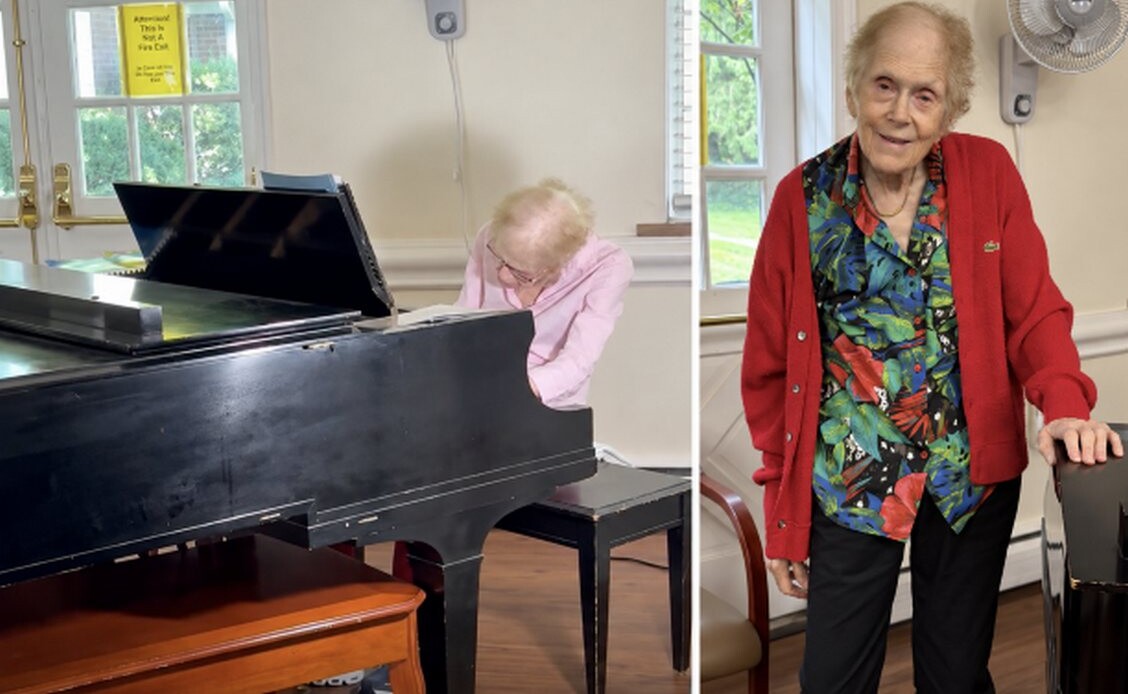
A piano player is giving back joy to the place that gave her back health. “I came here as a patient, and now I can give something back,” said 84-year-old Bonnie Fay, who first came to Bryn Mawr Village nursing home in Pennsylvania. Guillain-Barré syndrome, a rare disorder in which the body’s immune system attacks its own nerves, had left her paralyzed, and she arrived at the nursing facility facing a long and uncertain recovery. In those difficult weeks, she found comfort in the one thing that had been with her since childhood. “I found that the piano was very good for me,” Fay said. “It lifted my spirits tremendously.” Somewhere along the way, GNN was told, she made herself a promise. She thought, ‘someday I’ll come back and play here.'” Today, and despite her advanced years, Fay fulfills that promise regularly, playing the Bryn Mawr Village piano for residents recovering from illness, surgery, and injury.
This excerpt comes from the named source. Read the original for the full reporting.
Read the original at Good News Network