Local
Paul Chaleff’s life in clay
A Roundtable is a way to meet new people and discuss this article in person at a local coffee shop or other venue.
Roundtables are designed for groups of four, with a shared subject and room for everyone to speak. Come for discussion, with no dating expectation.
Source: Lakeville Journal
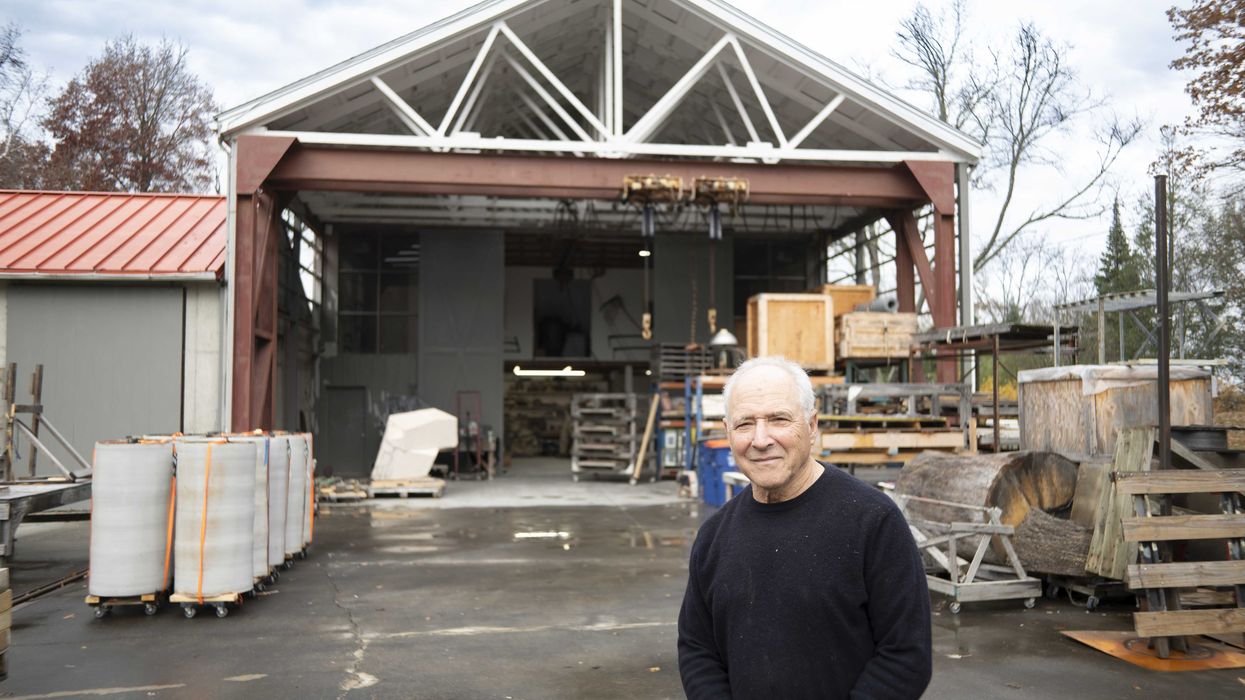
I decided right there and then that this would be my life. —Paul ChaleffPaul Chaleff never thought he’d be an artist and never quite considered himself an insider. Even with a career that has brought his ceramics into some of the world’s most prestigious museums and the homes of collectors around the world, the Ancram-based art world pioneer still describes himself as something of an outsider. Perhaps this independence of spirit is precisely what makes his journey so extraordinary. Chaleff grew up in the Bronx, the youngest of three sons in a working-class family. His father, a Jewish baker, immigrated from Poland (in what is now Belarus) at 13; his mother, the daughter of Austrian immigrants, worked as a secretary. They lived next to a cooperative housing development built in 1919 at Bronx Park East and Allerton Avenue, a community Chaleff fondly remembers as a “workers’ paradise” and where many of his father’s relatives lived.
This excerpt comes from the named source. Read the original for the full reporting.
Read the original at Lakeville Journal