Local
Pennsylvania Ag Leaders Tell Shapiro That ICE Is Disrupting Operations
A Roundtable is a way to meet new people and discuss this article in person at a local coffee shop or other venue.
Roundtables are designed for groups of four, with a shared subject and room for everyone to speak. Come for discussion, with no dating expectation.
Source: Lancaster Farming
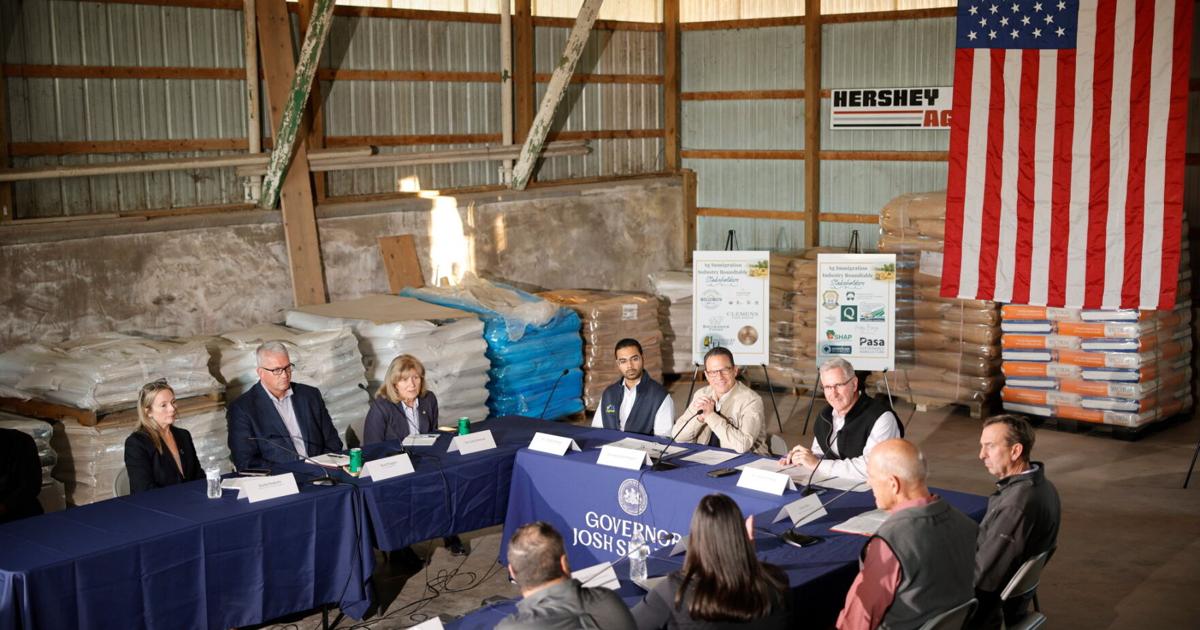
Orchard workers in Adams County, Pennsylvania, were on their way to work one recent morning when their van was stopped by masked men in police vests. The agents, identified as working for Immigration and Customs Enforcement, demanded the workers’ papers. All were carrying their visas, passports and arrival/departure records, except for one man who had forgotten the documents on his nightstand. The officers eventually let the workers go after a farm supervisor and the local sheriff both happened upon the scene, according to Sarah Zost, the president of the State Horticultural Association of Pennsylvania. Zost was among the ag industry leaders who met with Gov. Josh Shapiro Nov. 19 in Marietta to seek help in toning down the growing number of ICE encounters in Pennsylvania farm country. The ag speakers said ICE has detained workers, including longtime employees and people farmers believed were working legally.
This excerpt comes from the named source. Read the original for the full reporting.
Read the original at Lancaster Farming


