Local
Permanent Regulations for Single-Family Lot Splits Move Forward
A Roundtable is a way to meet new people and discuss this article in person at a local coffee shop or other venue.
Roundtables are designed for groups of four, with a shared subject and room for everyone to speak. Come for discussion, with no dating expectation.
Source: Beverly Hills Courier
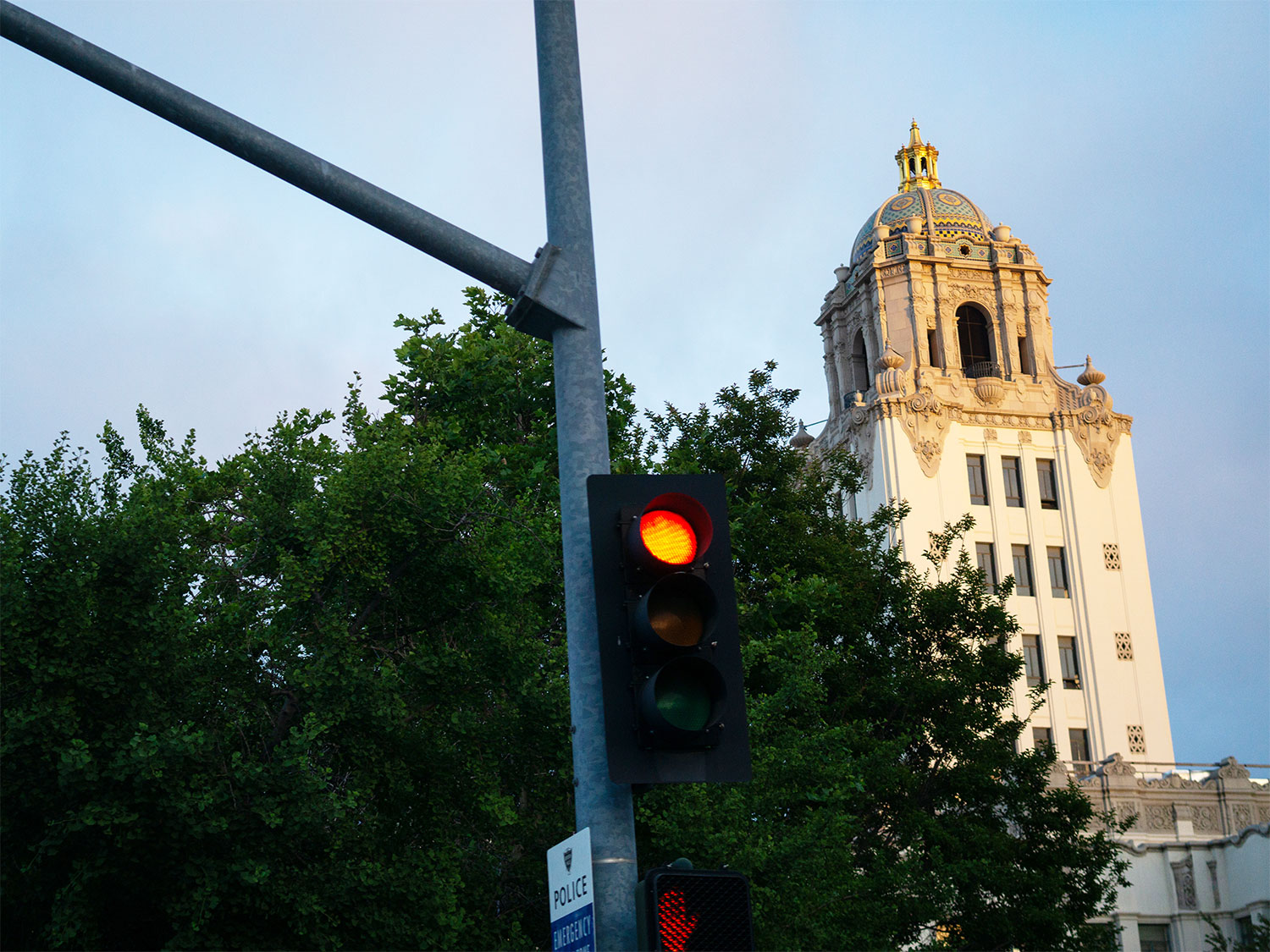
The Beverly Hills Planning Commission at its Nov. 12 meeting voted unanimously to permanently adopt the city’s existing interim regulations to implement Senate Bill (SB) 9, as amended by SB 450. SB 9 and SB 450 allow for single-family lots to be divided in two ways. The first is an urban lot split, which permits an existing single-family parcel to subdivide into two lots. Each new lot can have two dwelling units. The second is two primary-dwelling units, which allows an existing single-family parcel to have two primary residential units without being subdivided. SB 9, which was signed into law in September 2021, requires ministerial approval of urban lot splits and two-primary unit projects. The City Council adopted an ordinance to create permanent regulations for SB 9 projects in October 2023; however, SB 9 was amended by SB 450 in 2024 and called for revisions to the previous regulations.
This excerpt comes from the named source. Read the original for the full reporting.
Read the original at Beverly Hills Courier