Local
Pete’s Tire Barns Marks 50 Years as a Bandag Retreader | Traction News
A Roundtable is a way to meet new people and discuss this article in person at a local coffee shop or other venue.
Roundtables are designed for groups of four, with a shared subject and room for everyone to speak. Come for discussion, with no dating expectation.
Source: Traction News
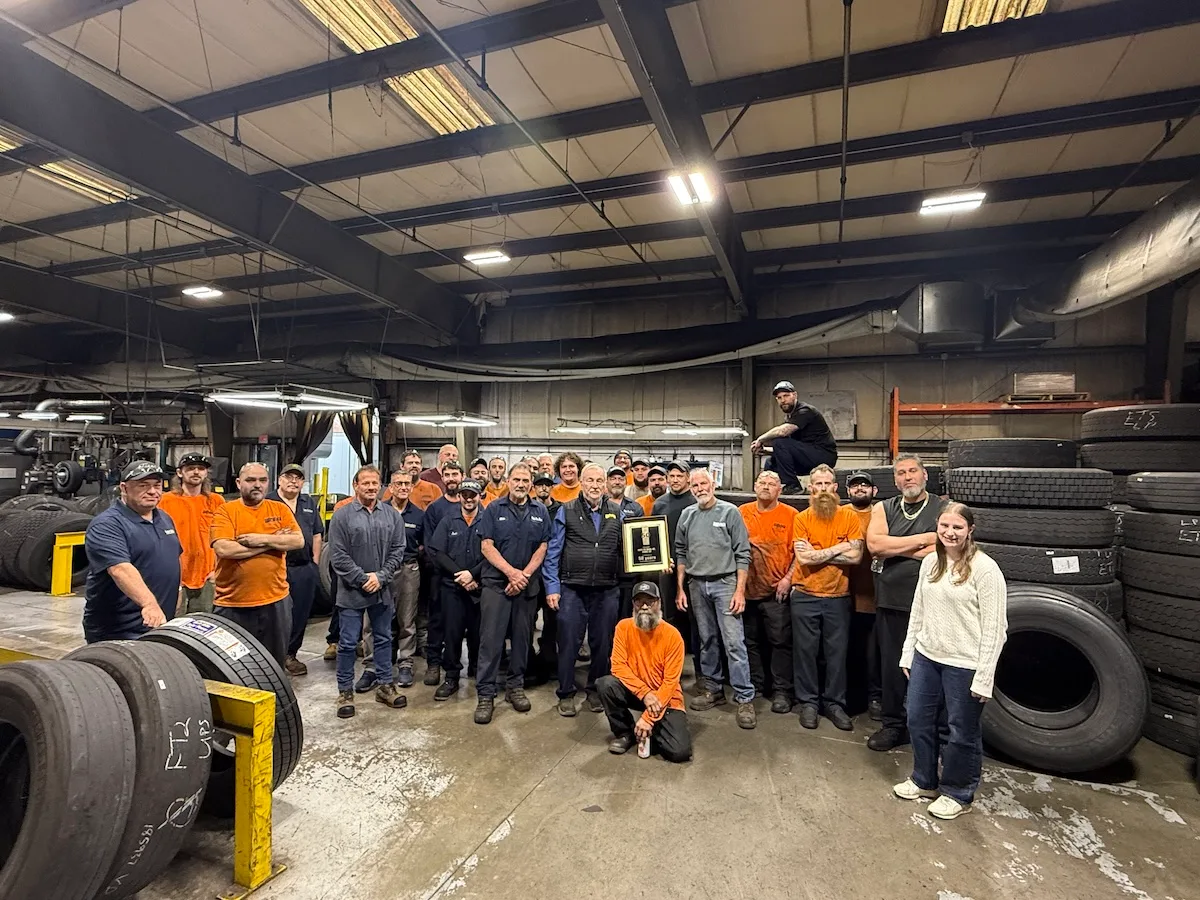
Pete’s Tire Barns has marked 50 years as a Bandag retreader. The New England commercial tire dealer celebrated the milestone on November 9, bringing team members together to recognize five decades of work in its retreading operations, and recently accepted a 50-year service award from Bridgestone Bandag. The celebration at the company’s Orange, Massachusetts, retread plant included a team lunch, a group photo and a gathering around a commemorative plaque honoring the 50 years. Pete’s said the occasion was a chance to recognize the generations of employees who have contributed to the Orange operation’s growth and continued success. A plant with a few firsts Pete’s Tire Barns, which also celebrated its 58th anniversary in October, opened its retread plant when it relocated its operations from Athol, Massachusetts, to Orange. The facility, at 275 East Main Street, uses renewable solar power for much of its tire production. The company says it was the first shop in the U.S.
This excerpt comes from the named source. Read the original for the full reporting.
Read the original at Traction News