Local
Pettis County, SFCC sign five-year agreement to expand partnership
A Roundtable is a way to meet new people and discuss this article in person at a local coffee shop or other venue.
Roundtables are designed for groups of four, with a shared subject and room for everyone to speak. Come for discussion, with no dating expectation.
Source: Sedalia Democrat
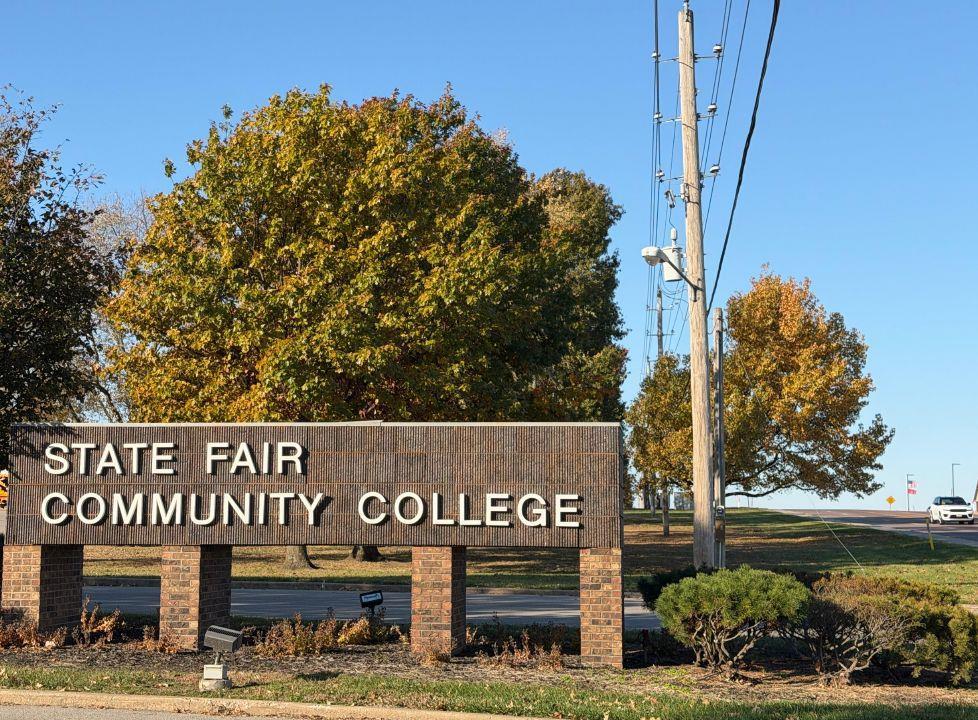
Pettis County and State Fair Community College have signed a five-year memorandum of understanding aimed at strengthening their partnership in workforce development, employee training, economic growth and community improvement. The agreement, signed Wednesday, Nov. 18, establishes a framework for the county and college to share resources, facilities, expertise and services to address community needs and create new opportunities for Pettis County residents and businesses. Western Commissioner Mark Edwards said the agreement grew out of ongoing conversations between county officials and SFCC President Dr. Brent Bates. “We’re looking at every cooperative effort we can, to better utilize the resources of the county and State Fair,” Edwards said. “The county has a lot of need for management techniques and training, CDL licenses, diesel repair and all kinds of tradesmen.
This excerpt comes from the named source. Read the original for the full reporting.
Read the original at Sedalia Democrat


