Local
Picture book by former Steamboat Springs Winter Sports Club racer honors Howelsen Hill
Meet in Common connects news with real conversations. Use ThinkMatch to arrange a Roundtable and meet people to discuss this story.
Roundtables are designed for groups of four, with a shared subject and room for everyone to speak. Come for discussion, with no dating expectation.
Source: Steamboat Pilot & Today
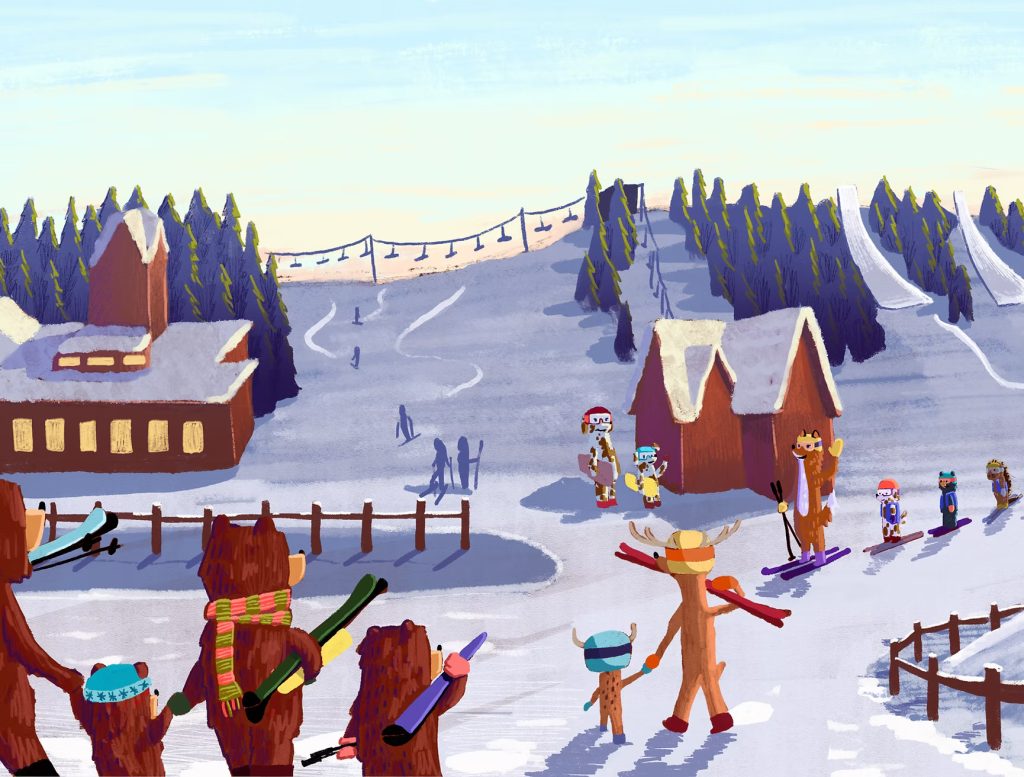
Local author and former Steamboat Springs Winter Sports Club racer Heidi Hillenbrand Wehrly has published “The Fastest Feeling,” a new picture book illustrated by Sloane Speer that honors the role of Howelsen Hill for generations of Steamboat children, with all proceeds benefiting the SSWSC, according to a recent statement. The story follows Hazel, a young bear who adores winter, snow and going fast. Like many of her peers, she joins the SSWSC, heads to Howelsen Hill after school, attempts ski jumping, Nordic, snowboarding and moguls, and ultimately finds her groove in Alpine racing. Following a difficult first race, she sets her sights on the big night race and finishes fourth.
This excerpt comes from the named source. Read the original for the full reporting.
Read the original at Steamboat Pilot & Today