Local
Pitkin County receives state award for age-inclusive workforce
A Roundtable is a way to meet new people and discuss this article in person at a local coffee shop or other venue.
Roundtables are designed for groups of four, with a shared subject and room for everyone to speak. Come for discussion, with no dating expectation.
Source: Snowmass Village Sun
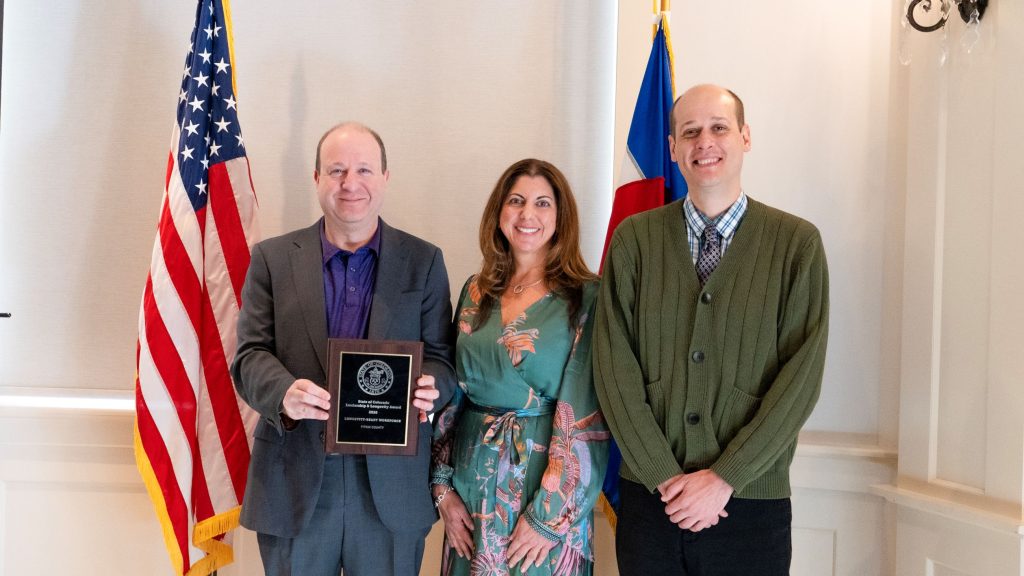
Pitkin County has received Colorado’s Longevity-Ready Workforce Award in recognition of the county’s commitment to creating a workplace that supports employees of all ages and promoting long-term career opportunities. The award, announced by Governor Jared Polis and the Colorado Department of Human Services, is part of the inaugural Colorado Leadership and Longevity Awards, according to a press release. Pitkin County was among seven recipients honored statewide for its innovative approach to aging, workforce participation and economic opportunity for older Coloradans. “We are so proud to receive this recognition, which reflects our ongoing commitment to building a workplace where employees of all generations feel valued, supported and have opportunities to grow throughout their careers,” Pitkin County Human Resources Director Melissa Knight said in the release.
This excerpt comes from the named source. Read the original for the full reporting.
Read the original at Snowmass Village Sun


