Local
Plain Talk: 'Buck stops with our office,' Secretary of State Michael Howe says of ballot errors
A Roundtable is a way to meet new people and discuss this article in person at a local coffee shop or other venue.
Roundtables are designed for groups of four, with a shared subject and room for everyone to speak. Come for discussion, with no dating expectation.
Source: McKenzie County Farmer
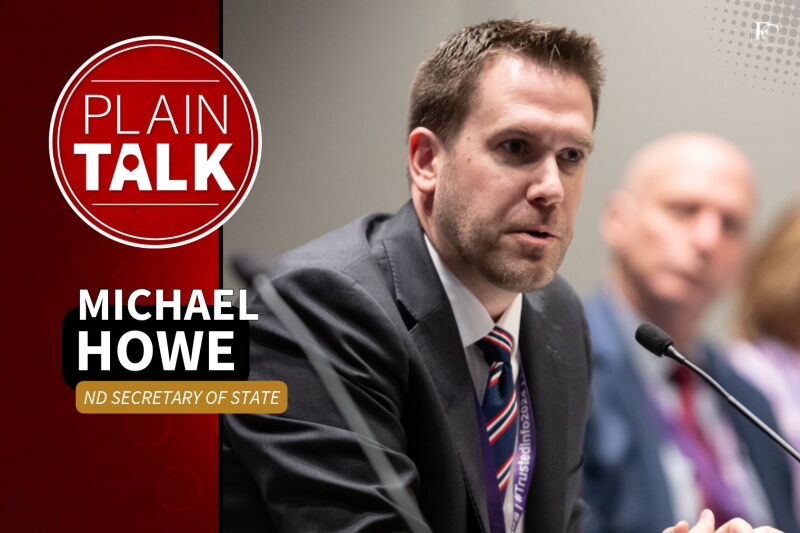
MINOT — North Dakota Secretary of State Michael Howe isn't making excuses for an election administration mistake that may have changed the outcome of a school bond vote in Surrey, a city just east of Minot. "I'm not gonna try to explain it away," Howe said during an appearance on this episode of Plain Talk. "Buck stops with our office. This was an administrative error by the North Dakota Secretary of State's office." "This was a big mistake by our office," he added. The Surrey school bond received approximately 59.5% approval, just short of the 60% supermajority required under state law. It fell five votes short of passing. The problem? Twelve voters who participated in the election never received the bond question on their ballots. Howe explained that his office had offered to help McHenry County configure the election management system to ensure voters received ballots appropriate for their addresses. "We messed up," he said.
This excerpt comes from the named source. Read the original for the full reporting.
Read the original at McKenzie County Farmer