Local
Plain Talk: 'We have growing pains,' says North Dakota Ethics Commissioner Mark Western
A Roundtable is a way to meet new people and discuss this article in person at a local coffee shop or other venue.
Roundtables are designed for groups of four, with a shared subject and room for everyone to speak. Come for discussion, with no dating expectation.
Source: McKenzie County Farmer
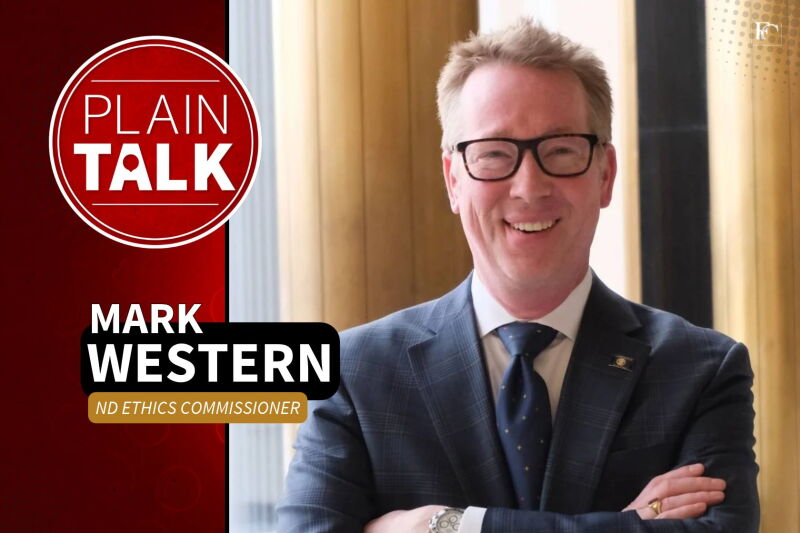
MINOT — Two lawsuits and a lot of political dysfunction on Plain Talk. I figured Thanksgiving week might be a quiet one for North Dakota politics. I should have known better. On the latest episode of Plain Talk, Chad Oban and I talked about two lawsuits that could have significant consequences for how our state government operates. One involves the Ethics Commission and Attorney General Drew Wrigley. The other involves the North Dakota Republican Party and its effort to change our primary elections. We started with Ethics Commissioner Mark Western, who joined us to discuss the commission's lawsuit against Wrigley. The fight began with an advisory opinion about using campaign contributions to pay certain childcare and security expenses. Wrigley disagreed with the commission's interpretation of the law and declared its opinion void. Western believes the attorney general exceeded his authority.
This excerpt comes from the named source. Read the original for the full reporting.
Read the original at McKenzie County Farmer


