Local
Police Blotter: Troop B
A Roundtable is a way to meet new people and discuss this article in person at a local coffee shop or other venue.
Roundtables are designed for groups of four, with a shared subject and room for everyone to speak. Come for discussion, with no dating expectation.
Source: Lakeville Journal
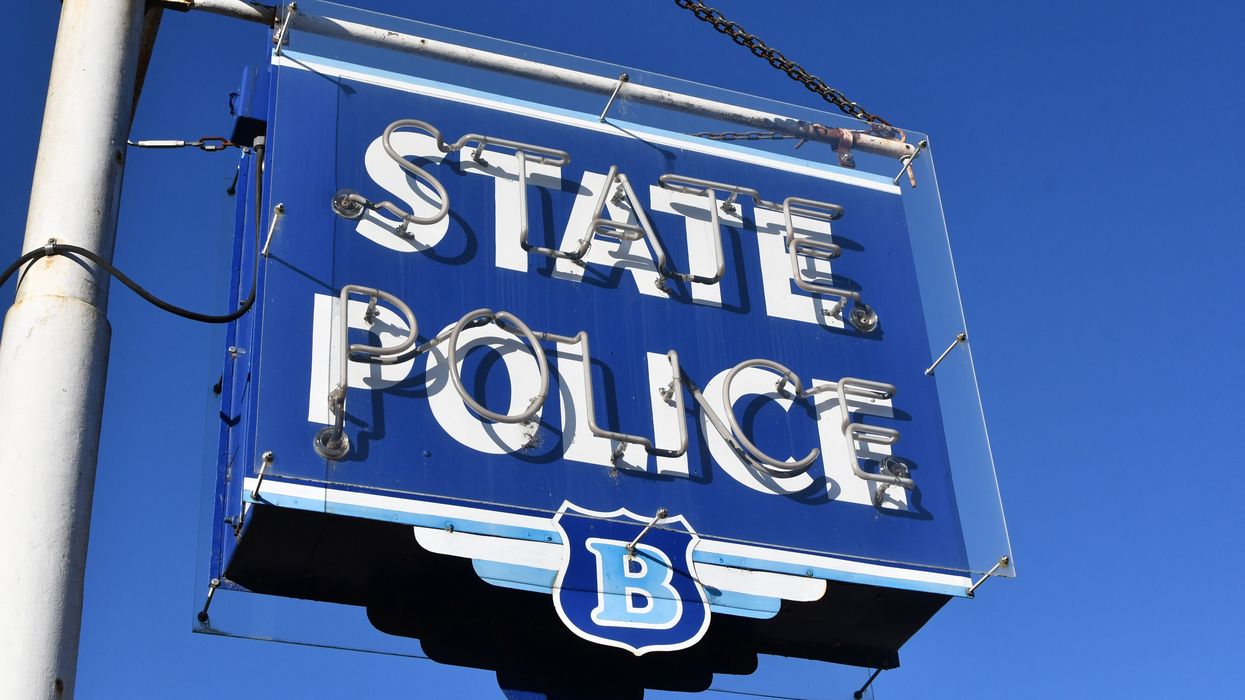
The following information was provided by the Connecticut State Police at Troop B. All suspects are considered innocent until proven guilty in a court of law. Falls Village crash Two vehicles were towed after a crash at the intersection of routes 7 and 126 around noon on Nov. 11, police said. Neither driver was injured. Police said Duncan Jenny was driving north on Route 7 as Lucia Smith approached the intersection from a different direction. According to police, Jenny did not see Smith before his truck struck her Subaru Forester. Both vehicles sustained disabling damage. Police cited Jenny for failing to obey a stop sign. Falls Village nitrous oxide An officer responded to a report of possible drug activity in a gray vehicle parked on Page Road on the afternoon of Nov. 14. Police said Christopher Dunn, 30, was inside the vehicle holding a black canister with a mouthpiece. The responding officer saw Dunn exhale a white vapor that police identified as nitrous oxide.
This excerpt comes from the named source. Read the original for the full reporting.
Read the original at Lakeville Journal


