Local
Policies, campus geography shape student activism from Stanford to Berkeley
A Roundtable is a way to meet new people and discuss this article in person at a local coffee shop or other venue.
Roundtables are designed for groups of four, with a shared subject and room for everyone to speak. Come for discussion, with no dating expectation.
Source: The Stanford Daily
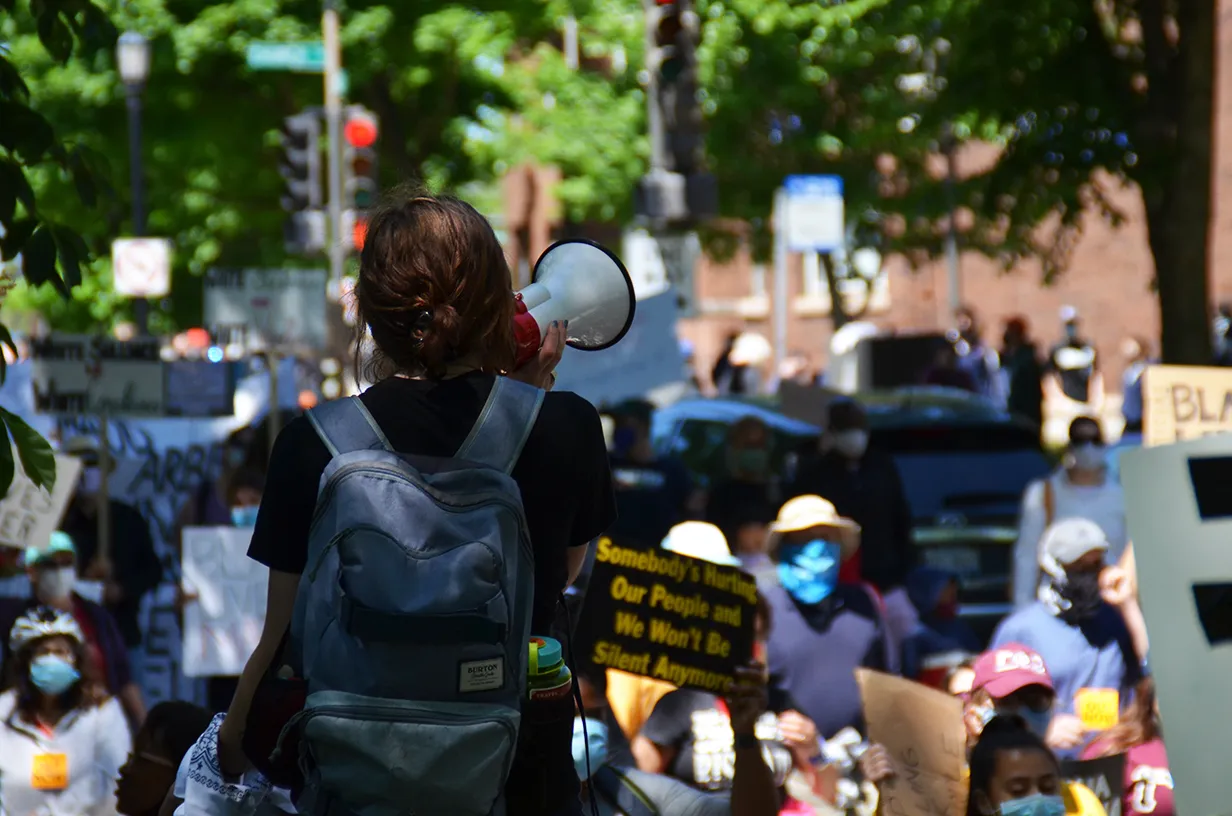
The college free speech movement originated at the University of California (UC) Berkeley in the 1960s, and that same decade, students at Stanford organized to resist the draft for the Vietnam War. Now, both schools have their own policies that reckon with their respective modes of campus expression. Students at both schools have engaged in political action in light of recent events, including the Israel-Gaza conflict and ICE raids. According to political science professor David Laitin, part of the motivation is individual legacy. “Students may want to, in a sense, create histories for themselves that they can tell to their own children,” he said. “And I think that’s important for students who will move on to respectable careers in the coming years, [to say] that they were there. Their voices were heard when policies were so objectionable.” Student action differs between UC Berkeley and Stanford, according to Laitin.
This excerpt comes from the named source. Read the original for the full reporting.
Read the original at The Stanford Daily