Local
Polish authorities backtrack on claim Krakow shooter was 'far-right'
Meet in Common connects news with real conversations. Use ThinkMatch to arrange a Roundtable and meet people to discuss this story.
Source: Human Events
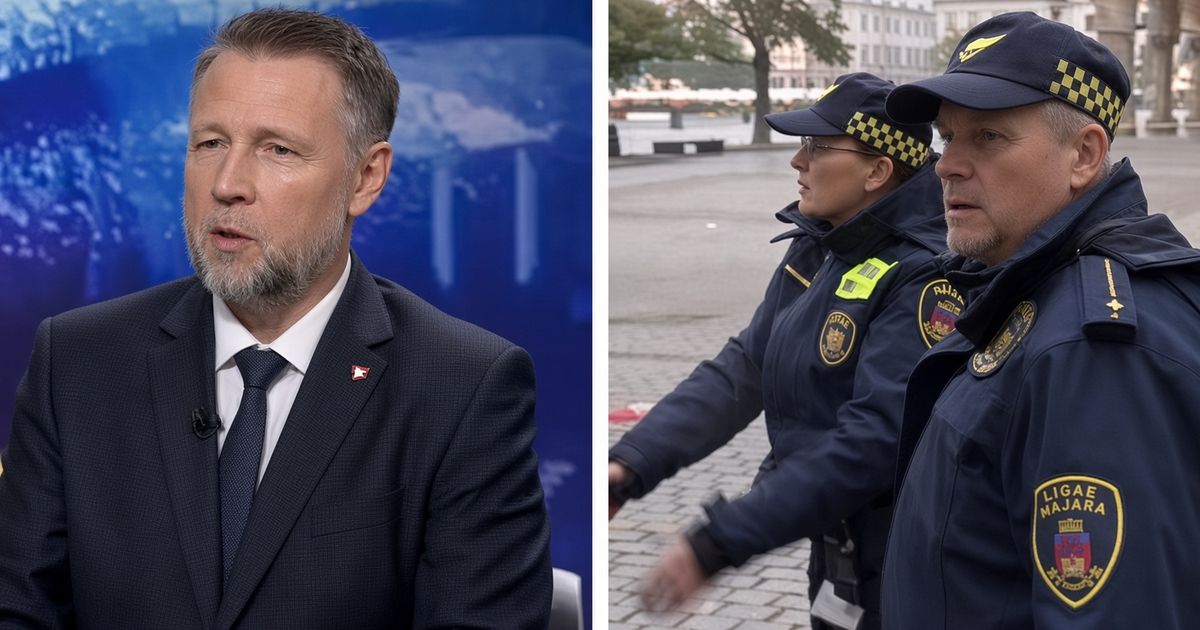
Polish Interior Minister, police Screenshot/X, AI enhancedReading modeReadingAaPaperAaSepiaAaNightAfter a deadly mass shooting in Krakow on Saturday, Polish government officials alleged that the killer was "far-right." As they shared this narrative, they "ordered the immediate deletion of the Facebook account of the killer," said Spanish VOX party member Hermann Tertsch. Now, Polish prosecutors have said that there is no evidence that shooter Michal Oksinski was far-right at all. The suspect was shot by police then arrested, but later died from his injuries.As the government backtracked from the assertion that the man was far-right, government spokesman Adam Szlapka told news that "Until the matter is fully clarified and the authorities are in possession of complete information, it is best to refrain from making comments, even if there are some initial indications."In a press conference, prosecutors said they did not know why Oksinski opened fire.
This excerpt comes from the named source. Read the original for the full reporting.
Read the original at Human Events


