Local
Pope Francis’ private diary details a profound spiritual crisis and encounters with the devil
A Roundtable is a way to meet new people and discuss this article in person at a local coffee shop or other venue.
Roundtables are designed for groups of four, with a shared subject and room for everyone to speak. Come for discussion, with no dating expectation.
Source: The Seattle Times
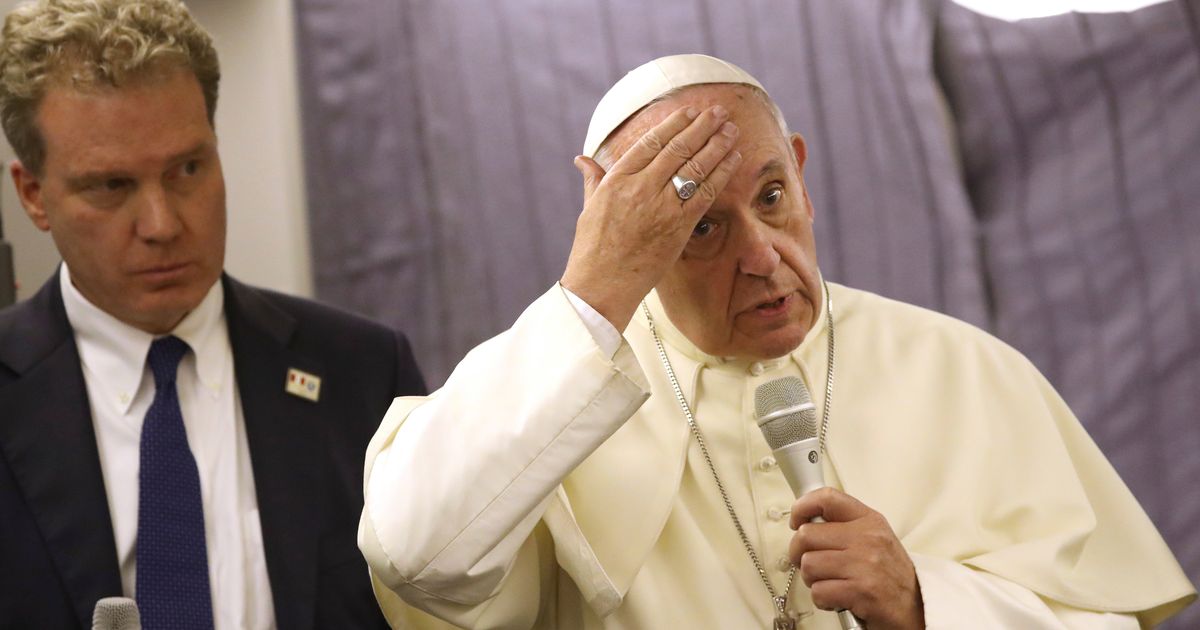
By NICOLE WINFIELD The Associated Press VATICAN CITY (AP) — Pope Francis saw the “gates of hell” when he realized the depths of the clergy sexual abuse scandal and experienced mystical visions of the devil throughout his ministry, according to excerpts of his personal diary published on Tuesday by the Vatican.“The Private Diary of Pope Francis” also reveals the Argentine pope suffered a profound spiritual crisis in 2021-2022, connected to his own temptations to exercise power omnipotently. He overcame the crisis by entrusting himself entirely to God’s mercy.The book, being released globally in several languages, offers a deeply personal and almost voyeuristic view into the mind and heart of Francis, revealing his innermost fears, insecurities, dreams and temptations that he kept hidden from the world.
This excerpt comes from the named source. Read the original for the full reporting.
Read the original at The Seattle Times


