Local
Port Congestion Explained: Why Ships Queue And What It Costs
A Roundtable is a way to meet new people and discuss this article in person at a local coffee shop or other venue.
Roundtables are designed for groups of four, with a shared subject and room for everyone to speak. Come for discussion, with no dating expectation.
Source: Naval Pages
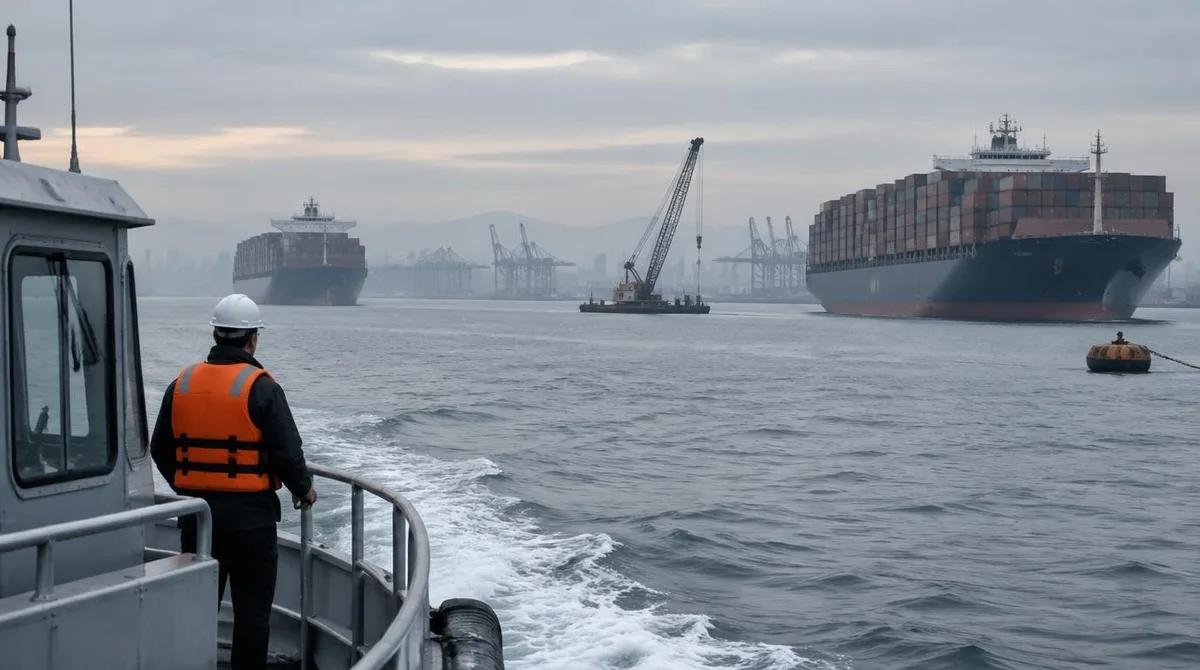
Port congestion is a queue that forms when ships arrive faster than a port can turn them around. Berths, cranes, and yard space fill first. Ships then wait at anchor for days or weeks. UNCTAD named port congestion as one driver of the 2024 surge in freight rates, so the queue reaches far beyond the harbor. The mechanics repeat wherever trade jumps or routes close, as the coverage of Red Sea attacks on bulk carriers shows. A chokepoint opens, shipping shifts, and berths downstream fill. This account sticks to dated records. Two carry the numbers: a Congressional Research Service report on the 2021 queues and the UN Trade and Development report of October 2024. Both sit at the center of the maritime news desk. Why Do Ships Queue Outside A Port? A ship queues when no berth is free, and a berth stays occupied when cargo cannot leave the yard fast enough. Trucks, trains, and warehouses set the pace.
This excerpt comes from the named source. Read the original for the full reporting.
Read the original at Naval Pages


