Local
Port: NDGOP files lawsuit challenging North Dakota's primary process
A Roundtable is a way to meet new people and discuss this article in person at a local coffee shop or other venue.
Roundtables are designed for groups of four, with a shared subject and room for everyone to speak. Come for discussion, with no dating expectation.
Source: McKenzie County Farmer
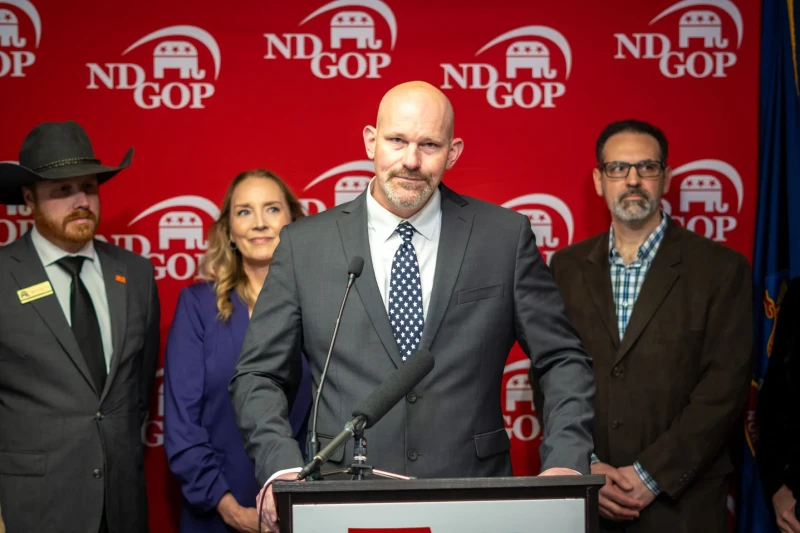
MINOT — In a surprise move Tuesday night, Nov. 24, the North Dakota Republican Party announced a federal lawsuit challenging North Dakota's primary laws. When I say surprise, I mean it. Prior to Chairman Matthew Simon posting a video on social media announcing the challenge, and reformatting the party's website to solicit donations in support of it, he hadn't even told the party's executive committee, according to several members I spoke to. They were meeting shortly after the video went online, and several of them were blindsided by the news, though the NDGOP did pass a resolution at its state convention earlier this year calling for an end to primaries. In audio from a meeting of the party's executive committee tonight that was shared with me, Senate Majority Leader David Hogue called the suit "profoundly unproductive" and challenged Simon's ability to initiate it. There are two viewpoints to take on the suit. One is political, and the other legal. Let's talk about the former first.
This excerpt comes from the named source. Read the original for the full reporting.
Read the original at McKenzie County Farmer


