Local
Postcards offer a glimpse of Salisbury’s past
A Roundtable is a way to meet new people and discuss this article in person at a local coffee shop or other venue.
Roundtables are designed for groups of four, with a shared subject and room for everyone to speak. Come for discussion, with no dating expectation.
Source: Lakeville Journal
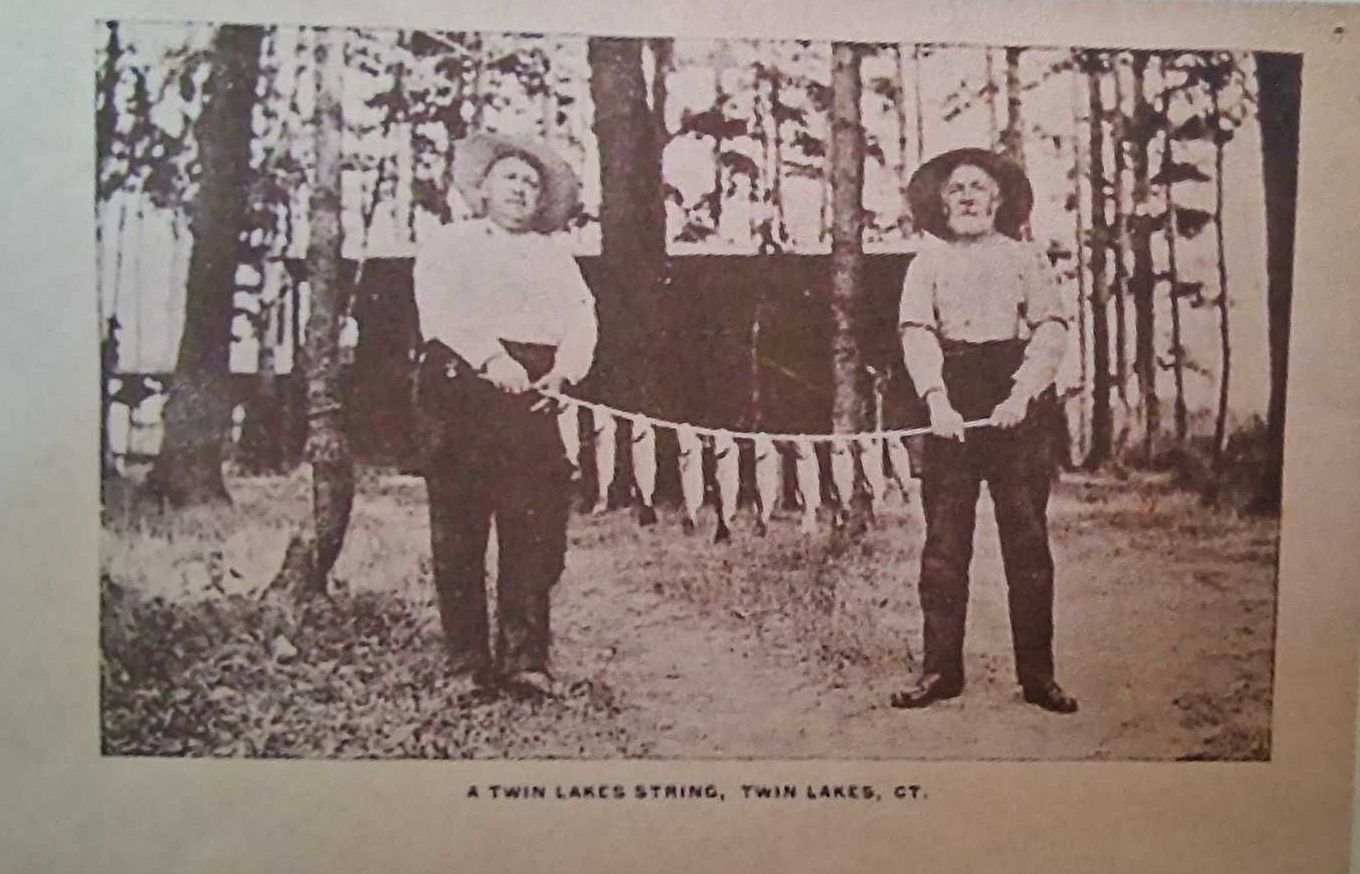
SALISBURY — Two anglers show off a string of fish at Twin Lakes. Other scenes capture the water cistern at Town Hall and the Salisbury railroad station. All appear in “A Postcard History of Salisbury’s Past,” a new exhibit at the Salisbury Association. Former Town Historian Katherine Chilcoat selected cards from the association’s collection of more than 1,000. Her son-in-law, current Town Historian Lou Bucceri, arranged and installed the exhibit. The oldest postcards date to the late 19th century and were known as “pioneer cards.” The exhibit traces their origins to the 1893 Columbian Exposition in Chicago, “when cards featuring illustrations on government printed postal cards and privately printed souvenir cards were sold.” It cost one cent to mail a government card and two cents to mail a privately printed card. The exhibit also features comic and advertising postcards, along with views of Lakeville and Salisbury. The exhibit runs through Jan.
This excerpt comes from the named source. Read the original for the full reporting.
Read the original at Lakeville Journal