Local
Preston C. Carlisle, of Ogdensburg
A Roundtable is a way to meet new people and discuss this article in person at a local coffee shop or other venue.
Roundtables are designed for groups of four, with a shared subject and room for everyone to speak. Come for discussion, with no dating expectation.
Source: WWNY
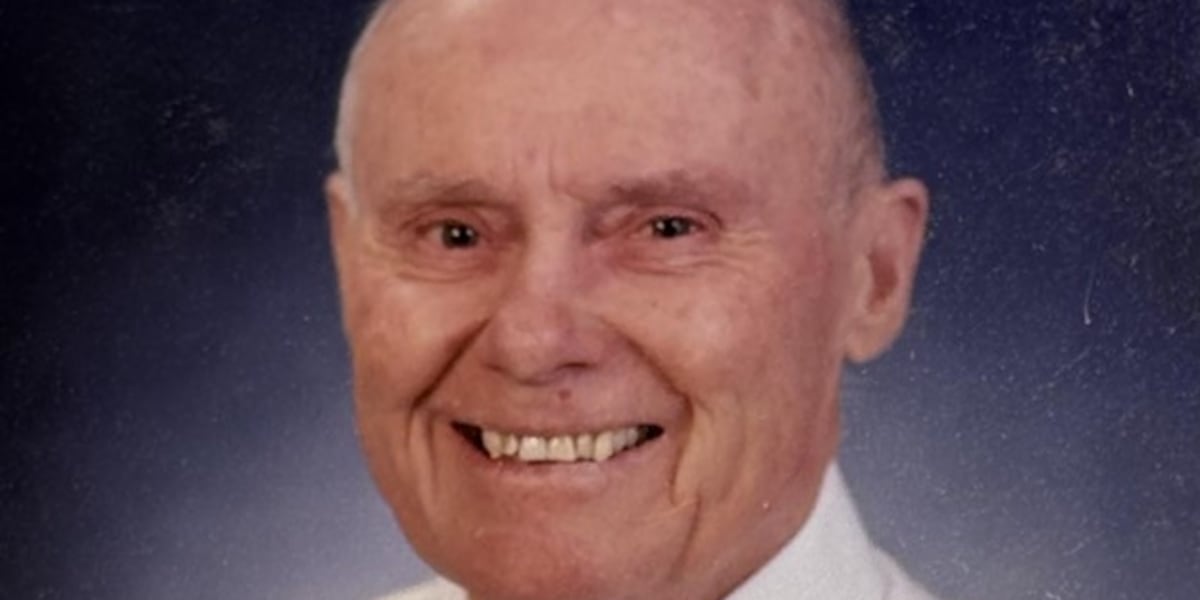
OGDENSBURG, New York (WWNY) - Preston C. Carlisle, son of Richard W. and Margaret B. Carlisle, passed away peacefully at his home, surrounded by his loving family, on October 3, 2026. Preston lived his life with determination, dedication, and a strong will to succeed despite the odds. He attended St. Lawrence University in Canton, New York; Fordham University in New York City; and Iona College in New Rochelle, New York. He served four years in the US Army, stationed in Washington DC, during which time he attended law school. In 1958, he graduated from The American University, Washington College of Law, and was admitted to practice law in Washington, D.C. In 1961, Preston was admitted to the New York State Bar, and in 1962, he established his law firm in the historic Preston King Building in Ogdensburg, New York. There, he began a distinguished legal career that would span nearly 60 years and built one of the most prominent law firms in the North Country.
This excerpt comes from the named source. Read the original for the full reporting.
Read the original at WWNY


