Local
Preventative care: An investment in herd health
A Roundtable is a way to meet new people and discuss this article in person at a local coffee shop or other venue.
Roundtables are designed for groups of four, with a shared subject and room for everyone to speak. Come for discussion, with no dating expectation.
Source: Farm Talk
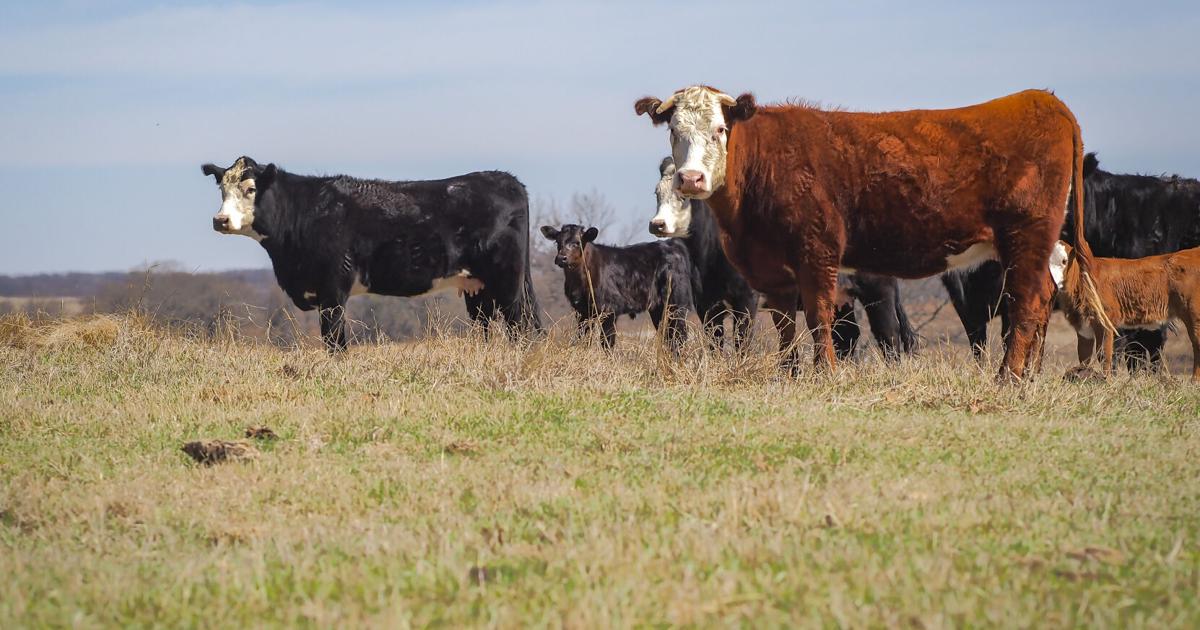
Todd Johnson, OSU From protecting livestock investments to keeping rural veterinary clinics operating, making sound business decisions is an important part of animal agriculture.In a recent episode of the Beef Cattle Institute's Cattle Chat podcast, Kansas State University veterinarians welcomed Oklahoma veterinarian Rebekah Hartfield to discuss the role of preventative herd health, business management and the future of rural veterinary medicine Hartfield, who owns three veterinary practices in Oklahoma, shared how preventative measures, such as vaccinations and breeding soundness exams, can help producers avoid costly animal health and reproductive problems.For smaller cattle operations, where each animal represents a significant investment, those decisions can have an even greater financial impact."What I see on my end is I have these small producers that come in, and they may not do any kind of preventative vaccine or even breeding soundness exams in their bulls,” Hartfield said.
This excerpt comes from the named source. Read the original for the full reporting.
Read the original at Farm Talk


