Local
Preview: UND's discipline could be key against St. Cloud State
A Roundtable is a way to meet new people and discuss this article in person at a local coffee shop or other venue.
Roundtables are designed for groups of four, with a shared subject and room for everyone to speak. Come for discussion, with no dating expectation.
Source: Grand Forks Herald
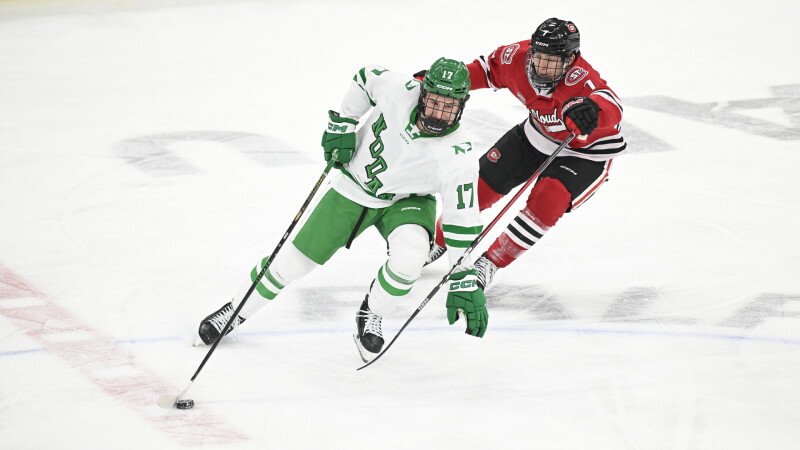
GRAND FORKS — St. Cloud State did not score a goal last weekend against Minnesota Duluth. Two weeks ago, the Huskies went 5-for-6 on the power play against Omaha, but did not score at even strength. St. Cloud State's last even-strength goal came on Halloween night from William Ahlrik against Arizona State. "As coaches, we need to continue to put our guys in positions to give them more time and space, put them in positions to be able to attack and try to look to generate some more," St. Cloud State first-year head coach Nick Oliver said. "I feel part of it is you have to stay with it. I would be concerned if we weren't generating and getting the scoring chances we are. For our group, it's continuing to stay with the process. We've got guys who have a history of scoring, whether that's college or junior hockey. They've got to stay with it and stay confident with it." Next up for St. Cloud State: an opponent that is starting to figure out its defensive game.
This excerpt comes from the named source. Read the original for the full reporting.
Read the original at Grand Forks Herald


