Local
Pro/Con: At Thanksgiving dinner, let’s keep politics to ourselves
A Roundtable is a way to meet new people and discuss this article in person at a local coffee shop or other venue.
Roundtables are designed for groups of four, with a shared subject and room for everyone to speak. Come for discussion, with no dating expectation.
Source: Duluth News Tribune
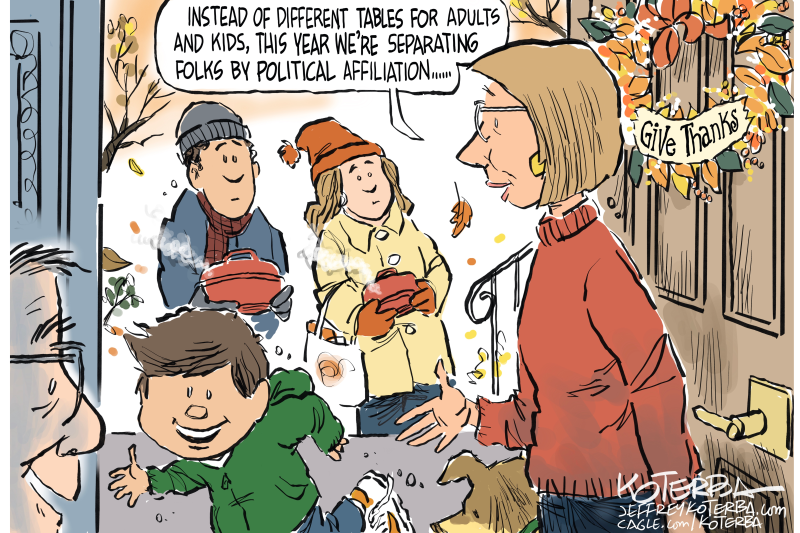
There is a familiar saying that you can choose your friends but not your family. For most of the year, that fact can feel like a blessing and a curse. During the holidays, when we squeeze around crowded tables, eat more than we should, and bring many personalities into one home, it should feel like a blessing. Family members are the people who allow you to be yourself. You can be silly, serious, vulnerable or anything in between. Even when disagreements happen, you should be able to count on your relatives to come back together because of the experiences you share and the mutual respect you hold for one another. Families matter, and they deserve to be protected. Nothing threatens that sense of protection faster than political conversations during a holiday gathering. Families are supposed to be places where people share values and offer one another unconditional love. That is the ideal we all hope for. In real life, though, those bonds can be fragile and easily strained.
This excerpt comes from the named source. Read the original for the full reporting.
Read the original at Duluth News Tribune


