Local
Program Focuses on ‘Foundations of Wellsburg’
A Roundtable is a way to meet new people and discuss this article in person at a local coffee shop or other venue.
Roundtables are designed for groups of four, with a shared subject and room for everyone to speak. Come for discussion, with no dating expectation.
Source: The Intelligencer & Wheeling News Register
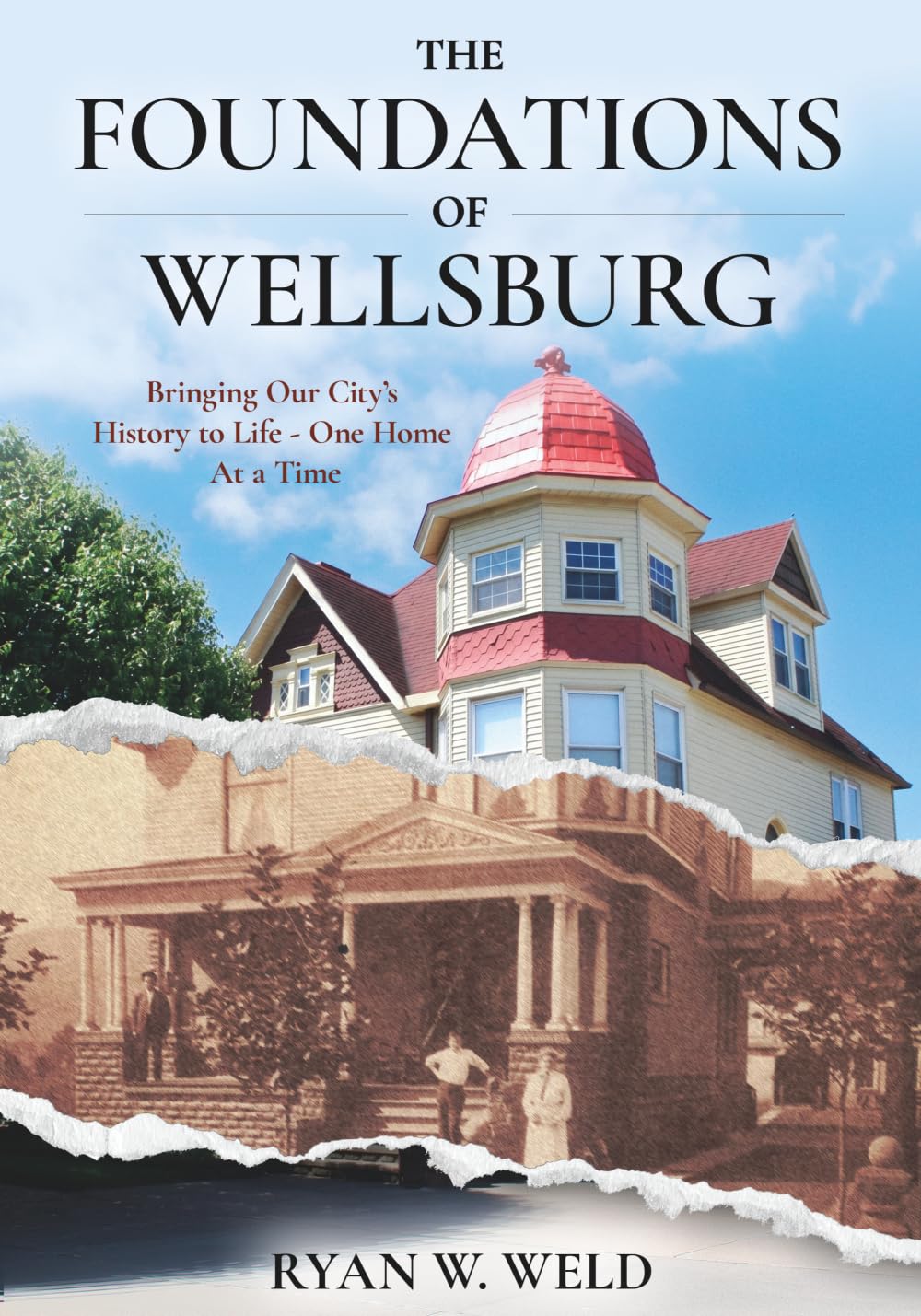
WHEELING – The Ohio County Public Library’s next Lunch With Books Program will feature author Ryan Weld, who will discuss his new book, “The Foundations of Wellsburg: Bringing Our City’s History to Life – One Home At a Time.” The program will take place at noon on Tuesday, Dec. 1. For generations, the homes of Wellsburg have stood quietly along its streets — watching on as wars begin and end, industries rise and disappear, and families celebrate triumphs and endure heartbreak, all while a small Ohio River community has redefined itself through changing times. In “Foundations of Wellsburg,” author Weld brings the stories of those homes to life. Through meticulously researched narratives, architectural descriptions and historic photographs, Weld tells the story of Wellsburg in an entirely new way: one home at a time.
This excerpt comes from the named source. Read the original for the full reporting.
Read the original at The Intelligencer & Wheeling News Register


