Local
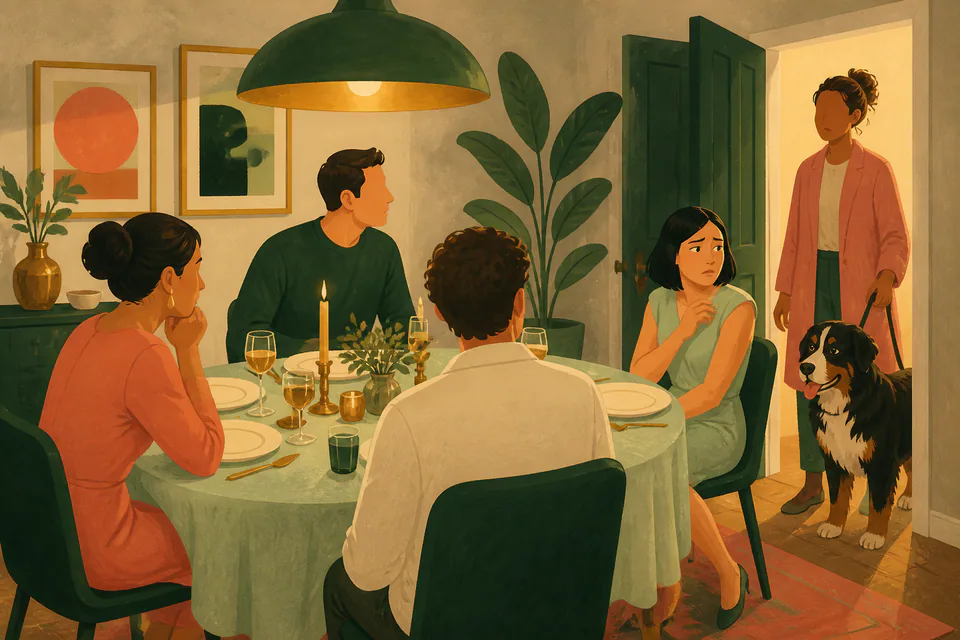
Psychology says the most painful form of parent-child distance isn’t estrangement, it’s functional politeness — where calls happen on schedule, visits are brief and pleasant, and nobody says anything real, because both people have silently agreed that surface-level contact is safer than the honest conversation that might break something neither of them knows how to repair
A Roundtable is a way to meet new people and discuss this article in person at a local coffee shop or other venue.
Roundtables are designed for groups of four, with a shared subject and room for everyone to speak. Come for discussion, with no dating expectation.
Source: The Current

The most painful form of parent-child distance: While much of the public conversation around modern families focuses on the “estrangement” trend, there is a quieter, more pervasive phenomenon taking over Australian households. It isn’t a total break in contact, but rather a rigid, ritualised form of “functional politeness” that keeps families together in name only. This emotional cooling is harder to identify because, on the surface, everything looks fine. There are no shouting matches, no blocked phone numbers, and no missed Christmas dinners, yet the relationship feels hollow, like a script being read by two people who have forgotten the plot. Psychologists suggest that this “polite distance” is often more painful than a clean break because it requires a constant, exhausting performance. Parents and adult children stay in each other’s lives not out of genuine intimacy, but because they have silently agreed that honesty is too dangerous for the fragile peace they’ve built.
This excerpt comes from the named source. Read the original for the full reporting.
Read the original at The Current