Local
Pump the brakes on CTA, Pace fossil-fuel bus purchases
A Roundtable is a way to meet new people and discuss this article in person at a local coffee shop or other venue.
Roundtables are designed for groups of four, with a shared subject and room for everyone to speak. Come for discussion, with no dating expectation.
Source: Chicago Sun-Times
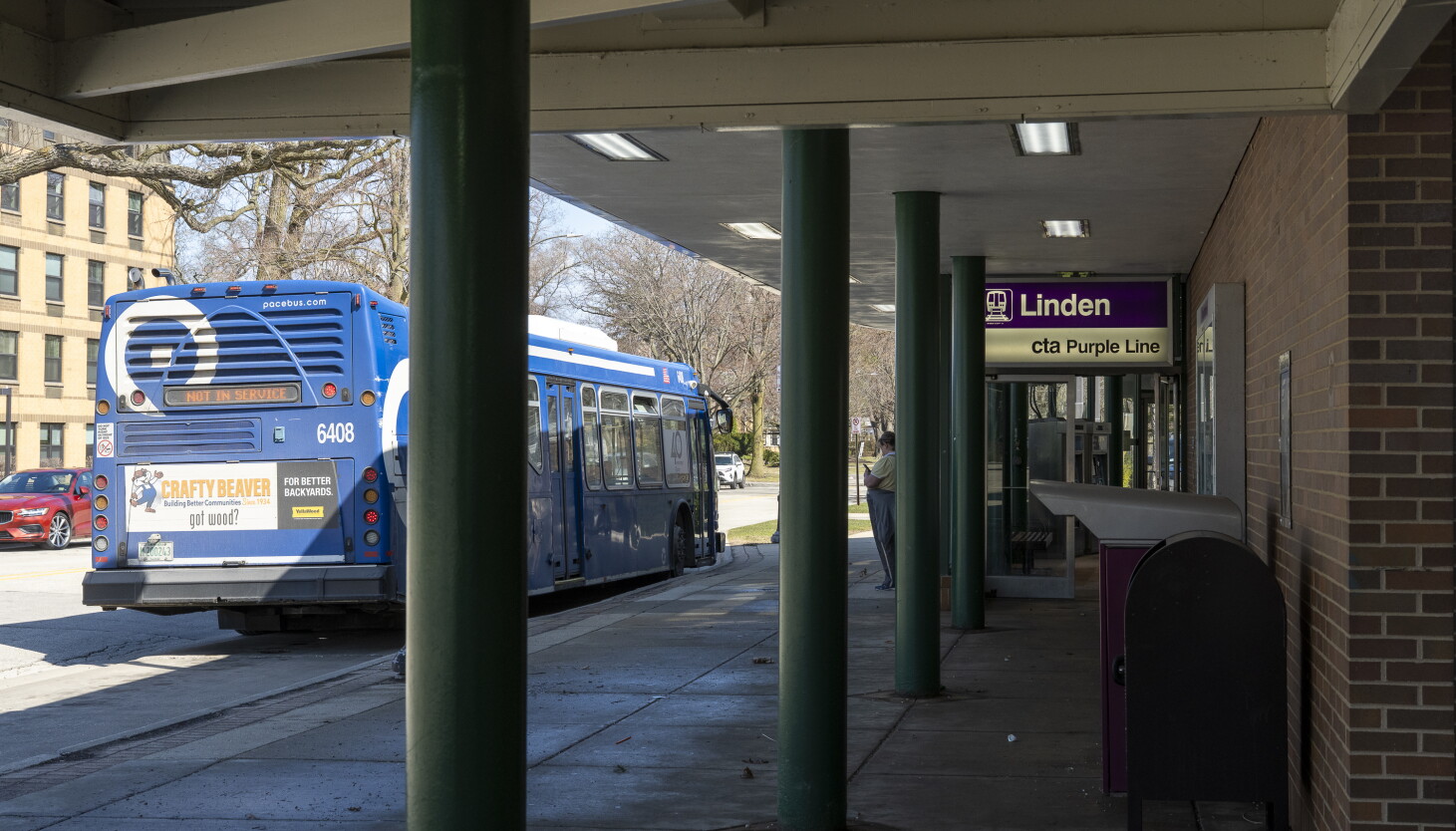
The newly created Northern Illinois Transit Authority faces its first major test Dec. 10, when its board votes on a proposed 2027–2031 Five-Year Capital Program. Right now, that capital plan is on a collision course with Illinois law. CTA and Pace tell the public they are committed to achieving 100% zero-emission bus fleets by 2040. Yet both agencies are asking NITA to approve tens of millions of dollars to buy buses that burn fossil fuels and will stay on our streets well past 2040. Even worse, those purchases appear to be illegal. Commentary bug Commentary Since 2021, the Chicago chapter of the Climate Reality Project has urged the Chicago Transit Authority, Pace and the former Regional Transportation Authority to accelerate bus electrification. CTA’s diesel buses alone account for roughly 3% of all on-road vehicle greenhouse-gas emissions in Chicago.
This excerpt comes from the named source. Read the original for the full reporting.
Read the original at Chicago Sun-Times