Local
¿Qué vive dentro de tu casa? NC State revela unas 2,100 especies
A Roundtable is a way to meet new people and discuss this article in person at a local coffee shop or other venue.
Roundtables are designed for groups of four, with a shared subject and room for everyone to speak. Come for discussion, with no dating expectation.
Source: Qué Pasa
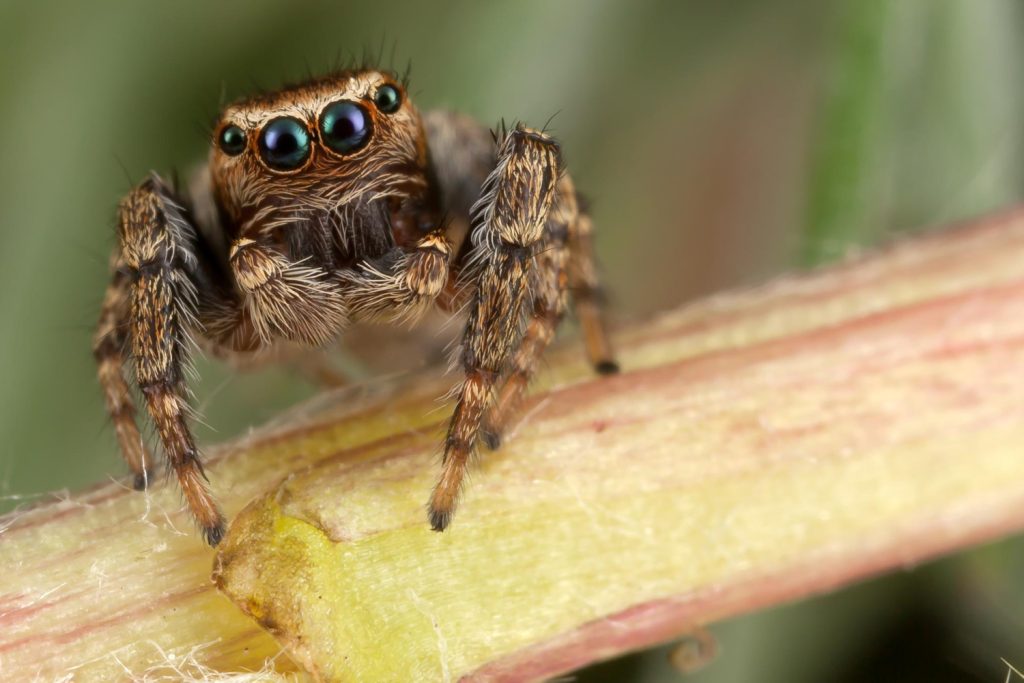
Felipe Gamonal Qué Pasa Raleigh.- Arañas, escarabajos, ciempiés y otros organismos comparten sus espacios con nosotros en casa y ni lo advertimos. Una investigación de científicos de la Universidad Estatal de Carolina del Norte reunió casi 23.800 registros de organismos encontrados en viviendas y otros edificios de EE.UU. y Canadá. El estudio de NC State University, publicado el 19 de noviembre en la revista científica Ecology, identificó cerca de 2.100 especies. Esta investigación se considera el primer relevamiento a escala continental sobre la biodiversidad presente en espacios interiores. Qué animales aparecen más Los insectos y las arañas representan la mayor parte de los registros. Según el estudio, aproximadamente el 60% de las observaciones correspondió a insectos y el 30% a arañas. También se encontraron reptiles, mamíferos, hongos y otros organismos. La mariquita asiática encabezó la lista de especies más observadas.
This excerpt comes from the named source. Read the original for the full reporting.
Read the original at Qué Pasa