Local
Queer throuple on ‘SLOMW: OC’ is sparking a conversation about homophobia in Mormonism
A Roundtable is a way to meet new people and discuss this article in person at a local coffee shop or other venue.
Roundtables are designed for groups of four, with a shared subject and room for everyone to speak. Come for discussion, with no dating expectation.
Source: Out
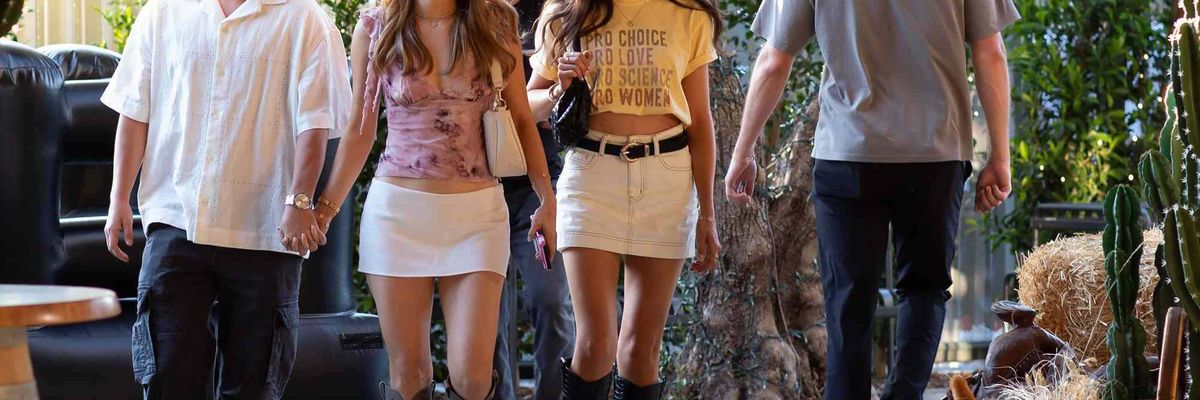
This story originally appeared on Them. From episode one, The Secret Lives of Mormon Wives: Orange County has branded itself as the more progressive spin-off of the popular Hulu reality television show about Mormon wives balancing full-time influencing with their religious values. Although Layla Taylor, one of the original cast members of Mormon Wives, came out as bisexual earlier this year, SLOMW fans had yet to see any of the wives grapple with queerness and their Mormon upbringing on screen — that is, until the Southern California-set franchise newcomer heavily featured a queer throuple. Aspyn Ovard, one of the cast members of the new series, is openly in a throuple with Bri and Billy Davis, a woman and a man who are married to each other. Coming from a small town in southern Utah that she describes as a Mormon “bubble,” Ovard got married at 19 to her high-school sweetheart. Navigating co-parenting following her divorce is a central conflict throughout the show’s first season.
This excerpt comes from the named source. Read the original for the full reporting.
Read the original at Out