Local
Reading an IEP? Here’s What to Look For, Depending on Your Role
A Roundtable is a way to meet new people and discuss this article in person at a local coffee shop or other venue.
Roundtables are designed for groups of four, with a shared subject and room for everyone to speak. Come for discussion, with no dating expectation.
Source: Education Week
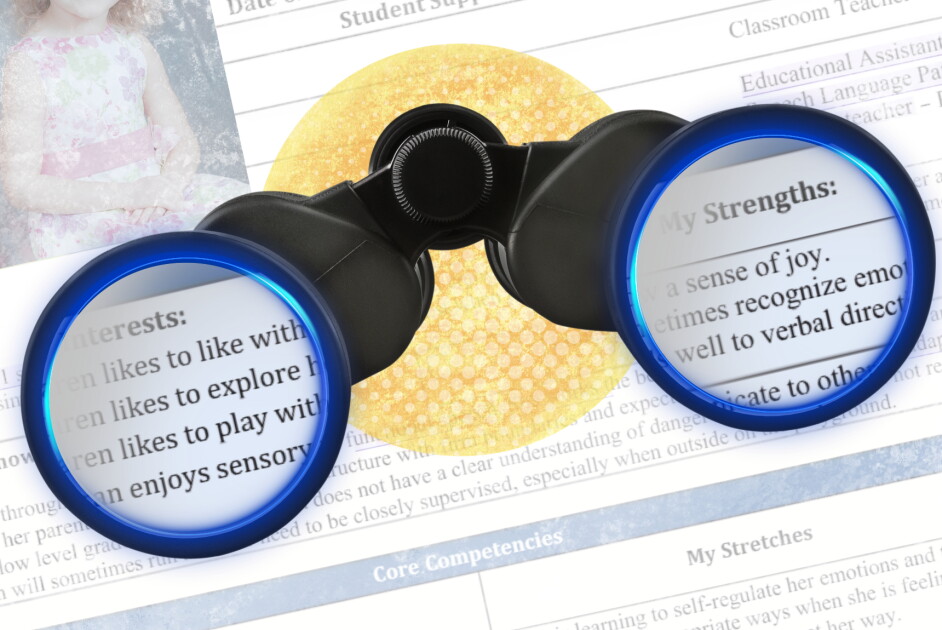
Share article Remove Save to favorites Save to favorites Print Share to Email Share to Facebook Share to LinkedIn Share to Twitter Copy URL Individualized education programs contain vital information for all teachers working with students with disabilities. That includes general education teachers and English-language development (ELD) teachers who work with English learners with disabilities, also known as dually identified students.While different teachers take away unique insights from IEP summaries or snapshots based on their role, all educators can read and benefit from IEPs in similar ways to best serve dually identified students.Getting all teachers to engage with IEPs, and the planning that goes into creating them, is important to ensure dually identified students’ academic, linguistic, behavioral, and other needs are met consistently throughout the school day, said John Ladesic, an instructional specialist with Maryland’s Montgomery County public schools.
This excerpt comes from the named source. Read the original for the full reporting.
Read the original at Education Week