Local
Ready for Close-Up
Meet in Common connects news with real conversations. Use ThinkMatch to arrange a Roundtable and meet people to discuss this story.
Source: Fort Worth Weekly
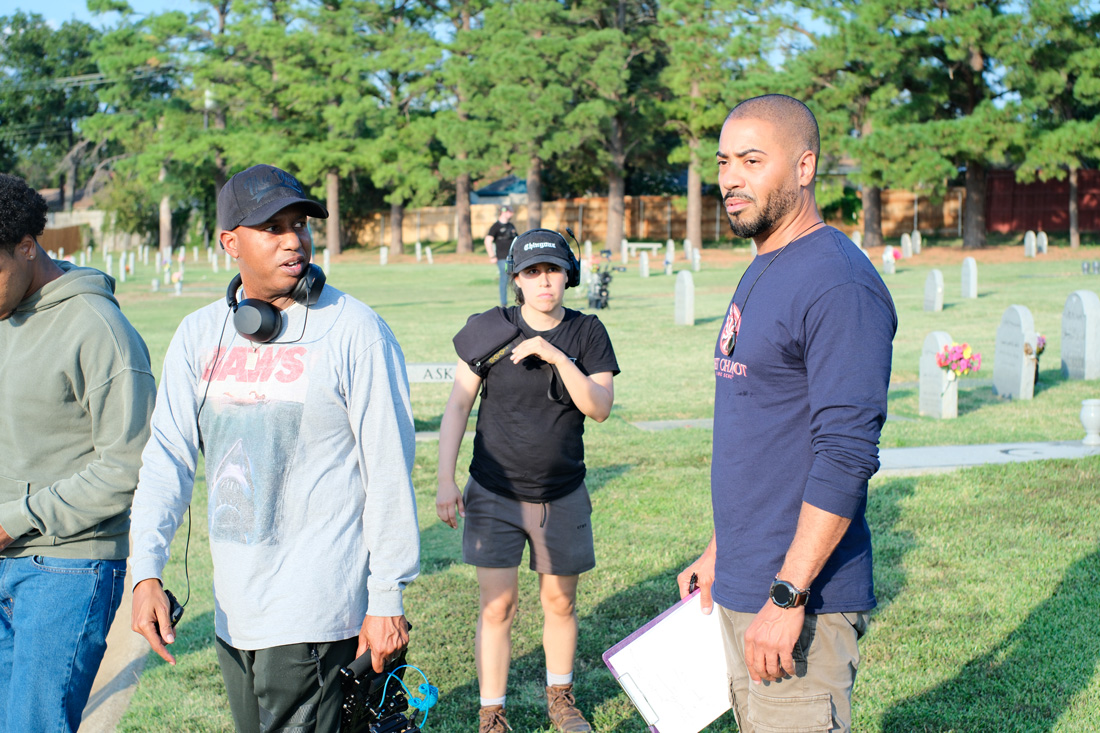
AI’s explosion into the film industry has both alarmed current filmmakers and excited prospective ones. The fear is that AI will replace crew and actors, amplified by the appearance of Tilly Norwood, the first AI actor. It is here to stay, but perhaps there are more benefits to befriending AI in film than have been speculated. AI opens the possibility to smaller projects of looking like big-budget films, allowing new creators to break into the field and play it. Filmmaker and professor John Darbonne (Devil’s Elbow, Companion), who teaches largely minority students, said, “For a hundred years, money decided who got to make movies: cameras, stages, VFX houses. AI is breaking that down.” Access to a greater variety of voices is an unexpected perk. Darbonne taught the first for-credit AI filmmaking course in Texas in spring 2025 at Texas A&M-Corpus Christi.
This excerpt comes from the named source. Read the original for the full reporting.
Read the original at Fort Worth Weekly